
Marrakech Tours: Cultural Experiences & Day Trips
- Marrakech offers guided tours that explore its historic sites, souks, and natural landscapes, suitable for all budgets.
- Cultural tours focus on the medina, monuments, and immersive experiences like music sessions and private events that deepen understanding.
- Combining city sightseeing with natural day trips and private cultural activities creates a well-rounded Moroccan experience.
Marrakech tours are guided travel experiences that cover the city’s historic medina, palaces, souks, and surrounding natural landscapes through walking tours, cultural immersions, and day excursions. The city offers one of the most concentrated collections of UNESCO-listed heritage sites in North Africa, and the range of available tours reflects that depth. From a half-day medina walk costing around $40 per person to multi-day desert adventures reaching the Sahara, the options span every budget and travel style. Booking platforms like Viator and GetYourGuide list hundreds of options, but the most memorable experiences come from understanding what each tour type actually delivers before you commit.
What are the best Marrakech tours for cultural sightseeing?
The top cultural Marrakech tours focus on the medina, the city’s walled old town, and the cluster of royal monuments surrounding it. Bahia Palace, the Saadian Tombs, Koutoubia Mosque, and Majorelle Garden form the core circuit for most guided sightseeing itineraries. A licensed guide transforms these sites from photo stops into layered stories about Moroccan dynasties, trade routes, and spiritual life.
Guided tours add context that maps and audio devices cannot replicate. The medina is a maze by design, and guides explain the significance of the Jewish Mellah district, the logic of the souk layout, and the architectural symbolism embedded in every carved plaster wall. That context turns a confusing walk into a coherent narrative.
Popular cultural tour formats include:
- Half-day medina walking tours: Typically 3–4 hours, covering the souks, Djemaa el Fna square, and one or two monuments. Priced around $40 per person for group tours.
- Full-day city tours: Combine Bahia Palace, Saadian Tombs, Majorelle Garden, and a souk walk. Best for first-time visitors who want comprehensive Marrakech tours in a single day.
- Immersive cultural experiences: Private storytelling events, Gnawa music sessions at dedicated museums, and simulated Moroccan weddings hosted in riads. These require advance booking and a contemplative mindset.
- Thematic heritage tours: Focused itineraries covering Islamic architecture, Jewish heritage, or artisan craft traditions across specific districts.
The physical demands of these tours are real and worth knowing in advance. Walking tours involve roughly 3 hours of continuous movement on uneven cobblestones, and the Saadian Tombs require climbing 85 steps with no elevator access. Wheelchair users face significant barriers at several monuments due to these conditions.
Pro Tip: Book cultural tours that start before 9 a.m. The medina is noticeably quieter in the early morning, and the light inside Bahia Palace’s courtyard is at its best before midday crowds arrive.
Authentic cultural tours shift from passive observation to active participation. Private events like Sufi music gatherings or riad-hosted wedding simulations reveal social milestones that standard group tours never reach. These are the experiences travelers remember years later, not the palace ticket stubs.
Which Marrakech tours offer the best natural scenery?
The best Marrakech tours take you from a dense urban environment into dramatically different terrain within two to three hours. The contrast is the point. After two days in the medina, the silence of the Agafay Desert or the Atlantic wind at Essaouira resets your senses entirely.
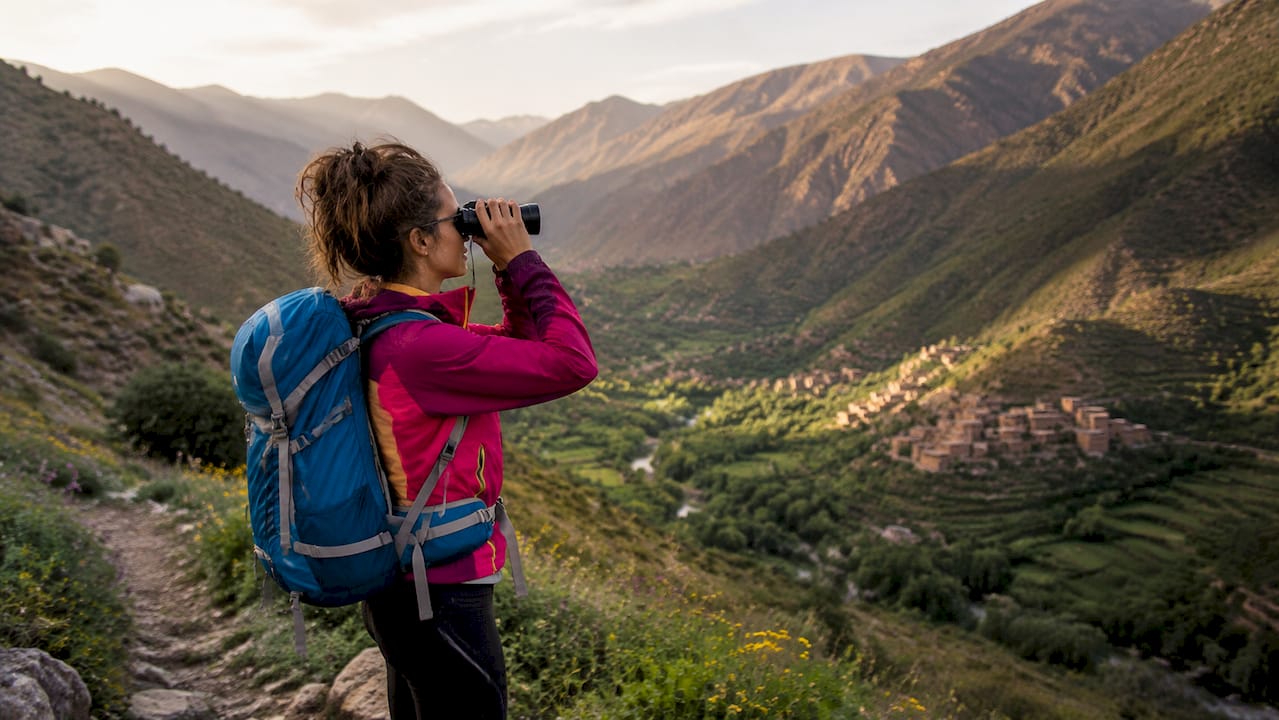
Day trips to Ourika Valley, Agafay Desert, and Essaouira offer a mix of adventure activities and natural beauty, all within a manageable drive from Marrakech. Each destination suits a different traveler profile.
| Destination | Drive Time | Top Activities | Best For |
|---|---|---|---|
| Ourika Valley | 1 hour | Hiking, Berber village visits, waterfall walks | Nature lovers, families |
| Agafay Desert | 45 minutes | Camel rides, quad biking, sunset dinners | Adventure seekers, couples |
| Essaouira | 2.5–3 hours | Coastal walks, seafood, windsurfing | Culture and beach travelers |
| Ouzoud Waterfalls | 2.5 hours | Swimming, hiking, wildlife spotting | Active travelers |
| Atlas Mountains | 1–2 hours | Trekking, Berber culture, mountain views | Hikers, photographers |
Full-day trips to Essaouira or the Ouzoud Waterfalls require 2–3 hours of driving each way. That travel time is worth it, but it means you need an early start. Private drivers give you flexibility to stop at roadside argan cooperatives or small villages. Group tours cut the cost but lock you into a fixed schedule.
For travelers who want to extend beyond a single day, Morocco desert tours that depart from Marrakech and reach the Sahara over two or three days represent the most dramatic version of this contrast. Camel rides at Erg Chebbi, sleeping in a luxury desert camp, and watching the sun rise over sand dunes are experiences that no city tour can replicate.
Pro Tip: Pack a light layer for Atlas Mountain day trips regardless of the season. Temperatures at altitude drop sharply after 3 p.m., and many travelers are caught underprepared after a warm morning in Marrakech.
Weather variation between destinations is significant. Essaouira runs 5–8 degrees cooler than Marrakech due to Atlantic winds, making it a smart summer escape. The Agafay Desert, by contrast, amplifies heat in July and August. Timing your excursions around the season matters as much as choosing the destination itself.
Private Marrakech tours vs. group Marrakech tours: Which is right for you?
Private tours and group tours in Marrakech deliver fundamentally different experiences, and the right choice depends on your priorities around cost, flexibility, and depth of engagement.
Private tours include hotel pickup in air-conditioned vehicles, personalized itineraries, and the ability to linger at sites that interest you most. A private guide can spend 45 minutes explaining the geometry of a Zellij tile floor at Bahia Palace if that is what you want. Group tours move at the pace of the slowest participant and the tightest schedule.
Private tour advantages:
- Customizable start times and route adjustments based on your interests
- Direct, uninterrupted access to your guide for questions and cultural context
- Exclusive access to smaller venues, private riads, and off-itinerary stops
- Better suited for travelers with mobility considerations or specific dietary needs
- Higher cost, typically 2–4 times the price of a comparable group tour
Group tour advantages:
- Significantly lower per-person cost, often under $50 for a half-day city tour
- Social dynamic that can enhance the experience for solo travelers
- Pre-vetted itineraries covering the most important Marrakech tours stops
- Less planning required since logistics are fully managed
The depth of cultural engagement differs sharply between the two formats. Cultural context and storytelling are the true value of any guided Marrakech tours, and that value multiplies when a guide can tailor the narrative to your background and interests. A private guide who knows you studied Islamic art will walk you through the Saadian Tombs very differently than one leading a group of 15 mixed travelers.
When booking either format, verify that your guide holds a Moroccan Ministry of Tourism license. Licensed guides display a badge and can be confirmed through the booking platform. Unlicensed guides are common around Djemaa el Fna and often lead tours that prioritize commission-paying shops over genuine cultural content. Check group sizes before booking group tours. Anything above 12 people significantly reduces your ability to hear the guide and ask questions in tight medina spaces.
For travelers who want a personalized Morocco itinerary that combines city tours with countryside escapes, building a private multi-day program from the start is more efficient than piecing together individual group tours on arrival.
How should you prepare for Marrakech tours?
Preparation for Marrakech tours covers timing, clothing, physical readiness, and cultural awareness. Getting these right separates a smooth, rewarding trip from an exhausting one.
1. Choose the right travel window.
March to May and September to November are the best months to visit Marrakech. Temperatures stay between 65°F and 85°F, making walking tours and day trips genuinely comfortable. July and August push above 100°F regularly, which makes outdoor sightseeing punishing and desert excursions potentially dangerous without careful planning.
2. Plan your time realistically.
Two to three days covers the core Marrakech tours: the medina, major monuments, and Majorelle Garden. Add two to three more days if you plan to include day trips to the Atlas Mountains, Essaouira, or the Agafay Desert. Trying to compress everything into 48 hours leads to the most common traveler mistake: over-scheduling.
3. Dress for the environment.
Lightweight, breathable fabrics work best for city walking tours. Covered shoulders and knees are expected at religious sites and in conservative neighborhoods of the medina. For desert day trips, add a scarf or shawl for sun protection and wind. Comfortable, closed-toe shoes with grip are non-negotiable given the cobblestone terrain.
4. Carry water at all times.
Walking tours involve around 3 hours of continuous movement. Dehydration accelerates in dry heat, and water stops inside the medina are inconsistent. Carry at least one liter per person for any half-day tour.
5. Understand basic negotiation culture.
Fixed-price tours from licensed operators remove the need to negotiate. But souk shopping, which most tours include, operates on a haggling system. Starting at 40–50% of the first asking price is standard practice. Aggressive refusal to engage is considered rude. Polite negotiation is part of the cultural exchange.
Pro Tip: Build at least one completely unscheduled afternoon into your Marrakech tours. Sitting at a rooftop café above Djemaa el Fna as the square fills with performers and food stalls at dusk is one of the city’s best experiences, and it requires nothing but time.
Balancing the sensory intensity of the medina with quieter escapes prevents the burnout that over-scheduled travelers consistently report. Experienced travelers recommend mixing lively city tours with at least one peaceful countryside day trip for a balanced Moroccan experience.
Key takeaways
The most effective Marrakech tour strategy combines licensed guided city tours with at least one natural day trip and a private cultural experience that goes beyond standard sightseeing.
| Point | Details |
|---|---|
| Start with a licensed guide | Licensed guides add cultural context that transforms medina visits from navigation exercises into genuine learning. |
| Book spring or fall travel | March to May and September to November offer the most comfortable conditions for walking tours and day trips. |
| Mix city and countryside | Pairing medina tours with Essaouira, Agafay, or Atlas day trips prevents sensory overload and deepens the overall experience. |
| Private tours justify the cost | Customizable itineraries and direct guide access deliver significantly deeper cultural engagement than group formats. |
| Reserve immersive events early | Riad-hosted experiences like Moroccan wedding simulations and Sufi music nights require advance booking and fill quickly. |
What i’ve learned after years of marrakech tours planning
Most travelers arrive in Marrakech expecting a city they can figure out on their own. The medina changes that assumption within the first hour. Streets that look like they lead somewhere loop back on themselves. Landmarks visible from one angle disappear completely when you turn a corner. This is not a flaw in the city’s design. It is the design. The medina was built to confuse outsiders and protect insiders, and that logic has held for nearly a thousand years.
The travelers who get the most out of Marrakech tours are the ones who stop trying to control the experience and start listening to their guide. The best guides I have encountered do not just point at buildings. They explain why a particular palace was built facing away from the street, what the geometric patterns on a fountain mean in Islamic cosmology, and which souk families have been selling the same craft for six generations. That information does not appear on any sign or app.
My strongest recommendation is to include at least one experience that does not appear on the standard sightseeing list. A private evening in a riad with traditional music, a Morocco riad stay that includes a cooking demonstration, or a Gnawa music session in a small venue off the tourist circuit. These are the moments that separate a trip to Marrakech from an experience of Marrakech.
The other thing I tell every traveler: do not skip the day trips because you feel guilty about leaving the city. The Atlas Mountains, one hour from your hotel; the Atlantic coast at Essaouira; and the lunar stillness of the Agafay Desert at sunset. These places exist in direct conversation with Marrakech, and seeing them makes the city itself more meaningful when you return. You can explore Djemaa el Fna and the medina with fresh eyes after a day in the mountains.
Plan downtime deliberately. The travelers who leave Marrakech exhausted are almost always the ones who scheduled every hour. The city rewards patience.
— Moroccotours.co
Plan your Marrakech tour with Moroccotours.co
Moroccotours designs luxury private Morocco tours built around your specific interests, travel pace, and preferred level of cultural immersion. Every itinerary includes licensed local guides, private transportation, and handpicked accommodations ranging from boutique riads in the medina to desert camps in the Sahara. Whether you want a focused three-day Marrakech tour program or a ten-day circuit combining imperial cities, mountain villages, and coastal towns, Moroccotours.co builds the itinerary around you. The team handles logistics, timing, and local access so you can focus entirely on the experience. Contact Moroccotours.co to start planning Marrakech tours that go well beyond the standard checklist, with expert guidance at every step.
FAQ
How long should a first Marrakech tour last?
Two to three days cover the core city highlights, including the medina, Bahia Palace, Majorelle Garden, and Djemaa el Fna. Add two more days if you plan to include a day trip to Essaouira or the Atlas Mountains.
What is the average cost of guided Marrakech tours?
Half-day guided walking tours typically cost around $40 per person for group formats. Private full-day tours with hotel pickup and a licensed guide range from $100 to $250 depending on the itinerary and group size.
Are Marrakech tours accessible for travelers with mobility limitations?
Accessibility is partial. Several major sites, including the Saadian Tombs, involve significant stair climbing with no elevator access, and medina cobblestones present challenges for wheelchair users. Private tours allow for route adjustments that accommodate mobility needs better than fixed group itineraries.
What is the best time of year to book Marrakech tours?
March to May and September to November offer the most comfortable temperatures for outdoor sightseeing and day trips. Summer heat regularly exceeds 100°F and makes extended walking tours physically demanding.
How do I find authentic cultural experiences beyond standard sightseeing?
Book private riad events, Gnawa music sessions, or curated cultural experiences through licensed operators well in advance. These intimate events are not listed on standard tour platforms and require direct booking through specialist agencies.