
Morocco Tours from China: Your Travel Guide
- Morocco tours from China are carefully designed packages that combine desert, city, and cultural experiences.
- These tours typically last 10 to 15 days, covering key destinations like Fes, Marrakech, and the Sahara Desert.
- Small-group and private tours with cultural immersion activities provide authentic insights into Moroccan life and traditions.
Morocco tours from China are curated, guided travel packages designed to introduce Chinese travelers to Morocco’s iconic deserts, ancient medinas, and UNESCO heritage sites through organized, culturally immersive experiences. The country sits roughly 11,000 kilometers from Beijing, yet the combination of direct charter options via Casablanca’s Mohammed V International Airport and a growing network of Chinese-friendly operators has made China to Morocco travel more accessible than ever. The best tours in Morocco for Chinese travelers blend Saharan adventure, imperial city history, and authentic local hospitality into a single cohesive itinerary. Moroccotours specializes in exactly this kind of tailored experience, building Morocco travel packages from China that match individual comfort levels, travel styles, and cultural interests.
What are the typical Morocco tour itineraries from China?
Standard Morocco itineraries for Chinese travelers run 10–15 days on a loop starting and ending in Casablanca or Marrakech. That duration gives enough time to cover the country’s geographic and cultural range without feeling rushed. Shorter trips under 10 days force travelers to skip either the Sahara or the northern Rif Mountains, both of which are defining experiences.
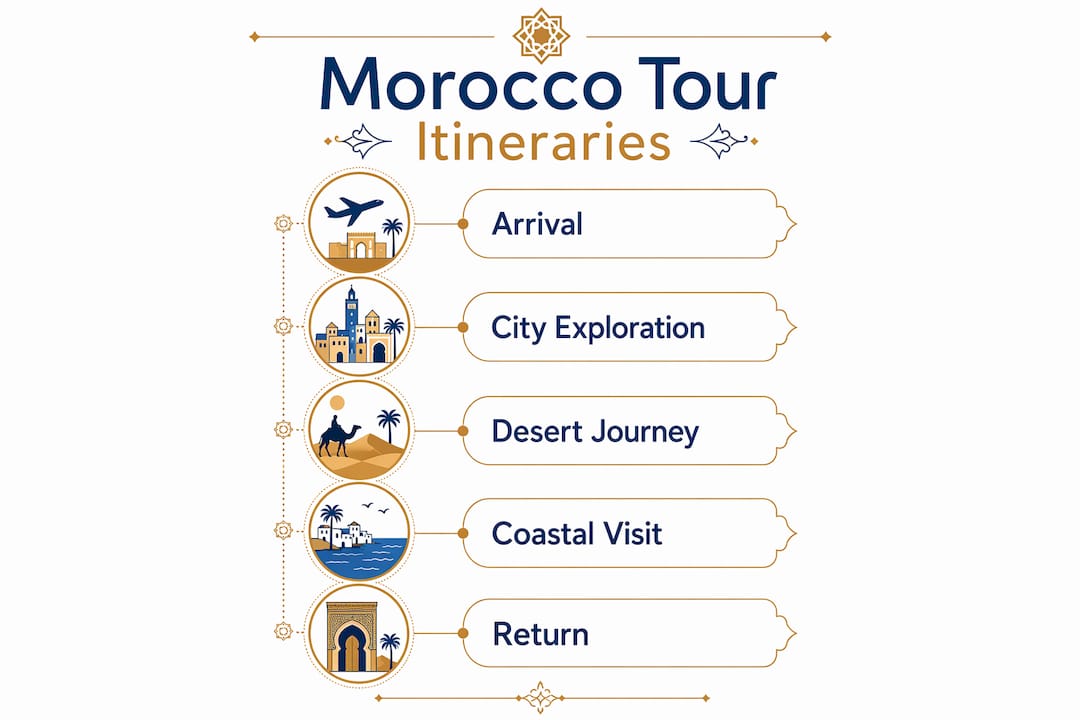
A well-structured 12-day loop typically covers these destinations in order:
- Casablanca: Hassan II Mosque, the Corniche waterfront, and a first taste of Moroccan city life
- Chefchaouen: The famous blue-painted medina in the Rif Mountains, ideal for photography and slow exploration
- Fes: Morocco’s oldest imperial city, home to the Bou Inania Madrasa and the world’s largest car-free urban area
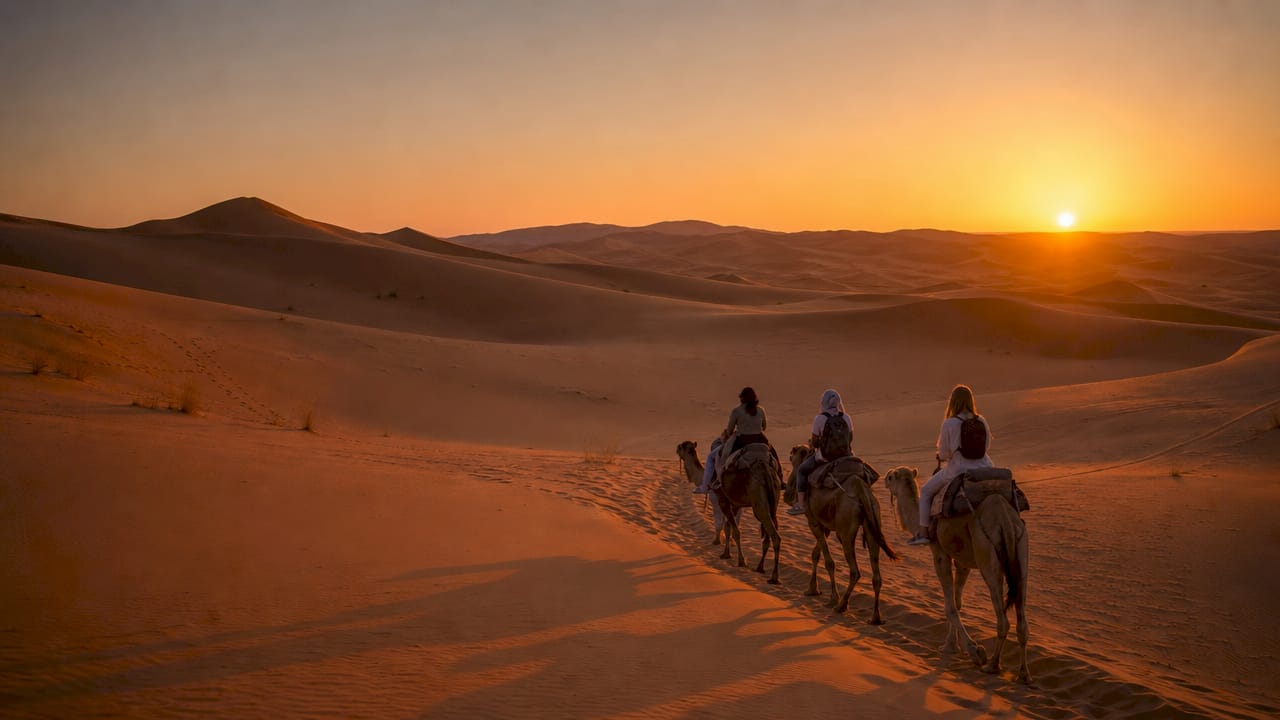
- Merzouga: Gateway to the Erg Chebbi dunes in the Sahara Desert, with camel rides and overnight glamping
- Todra Gorge: A dramatic canyon with 300-meter rock walls, popular for hiking and photography
- Ait Ben Haddou: A UNESCO-listed ksar (fortified village) used as a filming location for Gladiator and Game of Thrones
- Marrakech: The Djemaa el-Fna square, Majorelle Garden, and the historic souks
The transit between Marrakech and Merzouga takes 8–10 hours by road. Road conditions vary significantly outside major highways. Smart itineraries build in an overnight stop at Ouarzazate or Skoura to break the journey and add a visit to the Valley of Roses.
Pro Tip: Book a tour that includes a dedicated travel day between Marrakech and the Sahara rather than treating it as a transit-only leg. The Draa Valley and Dades Gorge along that route are worth stopping for.
Popular extensions include pre- or post-trip time in Essaouira, a windswept Atlantic coastal city, and deeper exploration of the Rif Mountains around Chefchaouen. These add 2–3 days but significantly broaden the travel experience.
| Destination | Highlight | Recommended Stay |
|---|---|---|
| Casablanca | Hassan II Mosque | 1 day |
| Chefchaouen | Blue medina, Rif Mountains | 2 days |
| Fes | UNESCO medina, tanneries | 2 days |
| Merzouga | Sahara glamping, camel rides | 2 nights |
| Marrakech | Djemaa el-Fna, souks | 2 days |
How do Morocco tours from China deliver authentic cultural experiences?
Immersive small-group tours include home-hosted dinners, artisan workshops, and direct conversations with Moroccan locals on contemporary social topics. These interactions go well beyond sightseeing. They give Chinese travelers a real understanding of Moroccan family life, religious practice, and the country’s rapid modernization.
The most culturally rich Morocco tours build in the following experiences:
- Guided medina tours: A knowledgeable local guide walks you through the labyrinthine streets of Fes or Marrakech’s old city, explaining the function of each quarter, from the leather tanneries to the spice markets
- Home-hosted dinners: Meals in a Moroccan family home, typically featuring a multi-course spread of harira soup, pastilla, and tagine, with conversation facilitated by the guide
- Artisan workshops: Hands-on sessions with zellige tile makers, leather tanners, or carpet weavers in Fes and Marrakech
- Cooking classes: Learning to prepare Moroccan dishes like couscous and bastilla in a traditional riad kitchen
- Desert village visits: Stops at Berber communities in the Draa Valley or near Merzouga, where travelers meet locals and learn about nomadic traditions
Small group sizes, typically 8–12 travelers, make these interactions possible. Large bus tours move too fast for genuine exchange. The most rewarding tours include direct engagement with locals on topics like gender roles, religious identity, and economic change. These candid conversations are what Chinese travelers consistently cite as the most memorable part of their trip.
Pro Tip: Ask your tour operator specifically whether home-hosted dinners and artisan workshops are included or optional add-ons. Some operators list them as highlights but charge separately.
Morocco’s guided tour experiences are most effective when the guide has genuine community connections, not just a script. A local guide from Fes will take you to the tannery overlook that tourists miss or introduce you to a calligrapher whose family has worked in the same medina shop for four generations.
What types of Morocco tours from China exist?
Morocco caters to both luxury seekers and active adventure travelers. Personal comfort and activity preferences should guide tour choices, not price alone. A traveler who wants air-conditioned private transport and a riad suite every night needs a different operator than one who wants to trek the Atlas Mountains and sleep in a Berber tent.
The four main tour styles for Chinese travelers are:
Private tours offer the highest flexibility. You set the pace, choose the stops, and travel with a dedicated driver-guide. These suit couples, families, and travelers with specific interests like photography or architecture. Moroccotours builds private Morocco itineraries that can be adjusted up to 24 hours before each travel day.
Small-group tours typically run with 8–16 travelers and follow a fixed departure schedule. They cost less than private tours and offer built-in social interaction. Boutique small-group tours with guaranteed departures are the fastest-growing segment, with operators accepting groups of 2 or more travelers to avoid last-minute cancellations.
Luxury tours combine private transport with five-star riads, exclusive hammam sessions, and private access to sites like the Bahia Palace after hours. These tours suit travelers who want cultural depth without sacrificing comfort.
Morocco adventure tours focus on physical activity. Options include trekking to the summit of Jebel Toubkal (4,167 meters, the highest peak in North Africa), mountain biking through the Atlas foothills, and multi-day camel treks across the Erg Chebbi dunes.
| Tour type | Group size | Activity level | Best for |
|---|---|---|---|
| Private | 1–8 | Low to high | Families, couples, photographers |
| Small group | 8–16 | Low to moderate | Solo travelers, social travelers |
| Luxury private | 1–6 | Low | Comfort-focused travelers |
| Adventure | 6–14 | High | Trekkers, cyclists, active travelers |
A common misconception is that luxury tours are passive. The best luxury tours in Morocco include full-day hikes, desert rides, and cooking classes. The luxury is in the accommodation and transport, not in avoiding activity.
What practical tips should Chinese travelers know before booking?
Flight routes and airports
Chinese travelers fly into Casablanca’s Mohammed V International Airport or Marrakech Menara Airport. No direct nonstop flights currently operate between mainland China and Morocco. The most common connections route through Dubai (Emirates), Doha (Qatar Airways), Istanbul (Turkish Airlines), or Paris (Air France). Total travel time from Beijing or Shanghai runs 14–18 hours, depending on the layover.
Visa and documents
Chinese passport holders require a visa to enter Morocco. The Moroccan embassy in Beijing processes tourist visa applications, and the process typically takes 5–10 business days. Travelers should apply at least 4–6 weeks before departure. A valid passport, return ticket, hotel bookings, and proof of funds are standard requirements.
Packing for Morocco’s climate
Morocco has four distinct climate zones. Packing must account for all of them:
- Coastal cities (Casablanca, Essaouira): Mild and breezy year-round; light layers work well
- Imperial cities (Fes, Marrakech): Hot summers above 40°C, cool winters; pack accordingly for your travel month
- Atlas Mountains: Cold at altitude even in summer; a fleece or light down jacket is non-negotiable
- Sahara Desert: Extreme heat by day, cold at night; breathable long sleeves protect against sun and sand
Connectivity and adapters
Morocco uses Type C and Type E electrical outlets. Chinese travelers need a multi-country plug adapter. Cellular coverage is strong in cities but intermittent in desert and mountain regions. Buying a local SIM card from Maroc Telecom or Orange Morocco at the airport costs under $10 and provides reliable data for navigation and messaging.
Pro Tip: Share your flight details with your tour operator 4–6 weeks before departure. Providing flight info early allows operators to secure driver-guides and arrange airport transfers without last-minute scrambling.
Local customs to respect
Remove shoes before entering a mosque or private home. Dress modestly in medinas, covering shoulders and knees. During Ramadan, avoid eating or drinking in public during daylight hours. Tipping is standard: 10–15 dirham for a restaurant meal, 20–50 dirham for a guided tour.
Key Takeaways
Morocco tours from China deliver the most value when travelers choose a tour style matched to their activity level, book 4–6 weeks in advance with flight details ready, and prioritize small-group or private formats for genuine cultural depth.
| Point | Details |
|---|---|
| Itinerary length | A 10–15 day loop from Casablanca or Marrakech covers all major destinations without rushing. |
| Tour style matters | Choose private, small-group, luxury, or adventure based on activity level, not price alone. |
| Cultural immersion | Home-hosted dinners, artisan workshops, and guided medina tours deliver the deepest experiences. |
| Book early | Share flight details 4–6 weeks ahead so operators can confirm driver-guides and transfers. |
| Connectivity prep | Buy a local SIM card on arrival; coverage drops significantly in the Sahara and Atlas Mountains. |
What I’ve learned from years of Morocco travel planning
The most common mistake Chinese travelers make when booking Morocco tours is choosing based on price per day rather than what the itinerary actually includes. A $150-per-day tour that skips the Sahara overnight or replaces home-hosted dinners with restaurant buffets is not a bargain. It’s a missed opportunity.
The trend toward boutique small-group tours with guaranteed departures reflects something real: travelers want to know their trip will run even if only two people sign up. I’ve seen too many Chinese travelers book a group departure only to have it canceled two weeks out because the minimum wasn’t met. Operators who guarantee departures from two travelers are worth the slight premium.
Chinese-speaking guides or operators familiar with Chinese cultural preferences make a measurable difference in comfort and comprehension. Not because Morocco is difficult to navigate, but because a guide who understands Chinese communication styles, dietary preferences, and cultural sensitivities can anticipate needs before they become problems.
The off-the-beaten-path experiences are where Morocco earns its reputation. The Draa Valley south of Ouarzazate, the Figuig oasis near the Algerian border, and the fishing villages of the Atlantic coast between Agadir and Essaouira are places most group tours skip entirely. If your itinerary reads like a greatest-hits list, push your operator for at least one stop that isn’t on every other tour’s route. That stop is usually the one travelers talk about for years.
Finally, the best Morocco adventure tours balance physical challenge with cultural access. A full day trekking in the Atlas Mountains followed by a night in a Berber village is more memorable than either experience alone. The combination is what makes Morocco unique among long-haul destinations for Chinese travelers.
— Moroccotours.co
Plan your Morocco trip with Moroccotours.co
Moroccotours.co builds luxury Morocco tours and private packages specifically designed for travelers who want more than a standard itinerary. From Sahara glamping and camel treks at Merzouga to guided medina walks in Fes and private riad stays in Marrakech, every detail is handled by local experts with deep knowledge of Morocco’s regions. The full tour catalog covers private, small-group, adventure, and family-friendly formats, all customizable to your travel dates and preferences. Chinese travelers can request itinerary adjustments, Chinese-friendly accommodations, and dedicated driver-guides through the booking process. Contact the Moroccotours team to start building your itinerary for 2026.
FAQ
How long should a Morocco tour from China be?
The ideal Morocco tour from China runs 10–15 days. That duration covers the major imperial cities, the Sahara Desert, and at least one mountain or coastal extension without feeling rushed.
Do Chinese travelers need a visa for Morocco?
Yes, Chinese passport holders require a tourist visa for Morocco. Applications are processed through the Moroccan embassy in Beijing and typically take 5–10 business days.
What is the best time of year for Morocco travel from China?
March through May and September through November offer the most comfortable temperatures across all regions. Summer heat in Marrakech and the Sahara regularly exceeds 40°C, while winter nights in the desert and Atlas Mountains drop near freezing.
Are there Chinese-speaking guides available in Morocco?
Chinese-speaking guides are available through specialized operators, though they are not universally offered. Booking through an operator familiar with Chinese traveler preferences is the most reliable way to secure this service.
What is the difference between a private and small-group Morocco tour?
A private tour gives you a dedicated driver-guide and full itinerary flexibility. A small-group tour follows a fixed schedule with 8–16 travelers and costs less but offers less customization. Both formats deliver strong cultural experiences when booked through a quality operator.