
Morocco Itinerary Guide: 7, 10, and 14 Days
Highlights
TL;DR:
- The ideal Morocco itinerary depends on trip length, with 7, 10, or 14 days covering increasingly extensive regions. Short trips focus on iconic cities and deserts, while longer stays include coast, mountains, and imperial cities for a deeper experience. Proper planning around airports and logistics enhances travel comfort and cultural immersion.
The best Morocco itinerary for 7, 10, or 14 days is defined by one core principle: trip length determines which regions you can visit without sacrificing depth for distance. A 7-day Morocco trip covers the classic southern loop through Marrakech, the Sahara, and Fes. Ten days adds northern highlights like Chefchaouen or the Atlantic coast at Essaouira. Fourteen days delivers a grand tour spanning imperial cities, Atlas Mountain treks, and extended coastal time. Morocco’s top regions, including Marrakech, Fes, Chefchaouen, Aït Benhaddou, the Atlas Mountains, and the Sahara Desert, each require meaningful time to experience properly. Your arrival airport, whether Casablanca (CMN), Marrakech (RAK), or Fes (FEZ), shapes the entire routing logic before you book a single hotel.
What is the best Morocco itinerary for 7, 10, and 14 days?
The best Morocco itinerary for any trip length follows one well-defined loop rather than zigzagging across the country. Attempting both north and south in under 10 days puts you in a vehicle more than a medina. The three trip lengths each have a distinct scope, and understanding that scope upfront prevents the most common planning mistake: overambition.
Seven days is the recommended minimum for a meaningful Morocco trip. It covers Marrakech, the Sahara, and Fes with manageable pacing. Ten days is the sweet spot, adding one or two northern or coastal destinations without rushing. Fourteen days is the grand tour, the format that lets you slow down, rest, and actually absorb what you are seeing.
Each format suits a different traveler. The 7-day format works best for first-timers who want the iconic highlights. The 10-day format suits travelers who want variety without exhaustion. The 14-day format rewards those who want Morocco to feel lived-in rather than checked off.
What does a 7-day Morocco trip actually look like?
The classic 7-day route runs Marrakech, Aït Benhaddou, the Sahara Desert at Merzouga, and Fes. This loop covers Morocco’s most photographed landscapes and two of its four imperial cities. Driving times between some regions reach 5–9 hours, so the sequence and overnight stops matter as much as the destinations themselves.
Day-by-day structure
| Day | Location | Key Activity | Overnight |
|---|---|---|---|
| Day 1 | Marrakech | Djemaa el-Fna, souks, Bahia Palace | Riad in medina |
| Day 2 | Marrakech | Majorelle Garden, Koutoubia Mosque | Riad in medina |
| Day 3 | Aït Benhaddou | UNESCO kasbah, Draa Valley drive | Ouarzazate guesthouse |
| Day 4 | Merzouga | Sahara camel trek, desert camp | Desert camp |
| Day 5 | Merzouga to Fes | Ziz Valley drive, Midelt stop | Fes riad |
| Day 6 | Fes | Fes el-Bali medina, tanneries, Bou Inania | Fes riad |
| Day 7 | Fes | Al-Attarine Madrasa, departure | Departure |
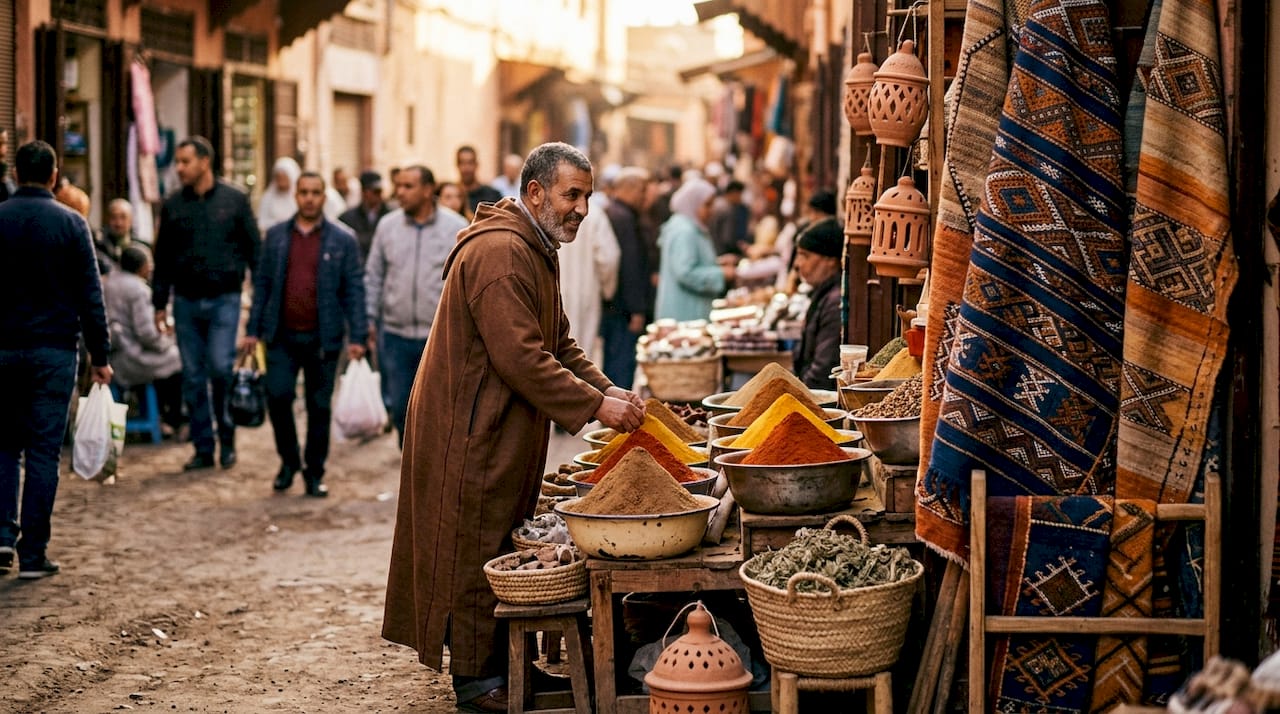
Marrakech’s medina alone warrants two full days. The souks, the Bahia Palace, and Djemaa el-Fna at night each deliver a distinct experience. Rushing through in half a day produces photographs but not understanding.
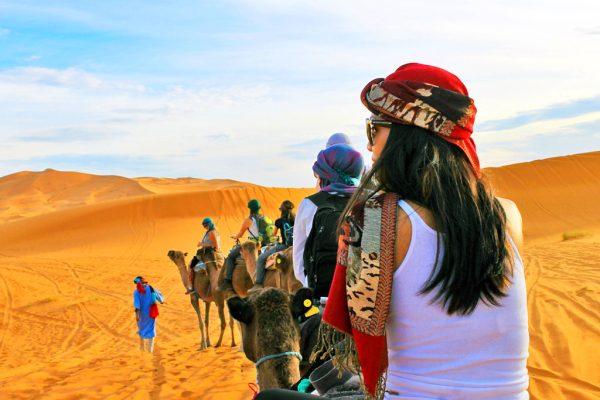
The Sahara leg is the emotional centerpiece of any southern loop. A camel trek at sunset into Erg Chebbi dunes, followed by a night in a desert camp, is the experience most travelers cite as their trip highlight. Book a camp with private tents rather than shared dormitories for a genuinely memorable night.
Pro Tip: Pack layers regardless of season. Morocco’s climate swings from 45°C summer heat in Marrakech to near-freezing desert nights in winter. A lightweight down jacket and a linen shirt cover both extremes without adding bulk to your bag.
How does a 10-day itinerary for Morocco improve on 7 days?
The 10-day format adds Chefchaouen or Essaouira to the classic loop, and that addition changes the character of the entire trip. Starting in Marrakech and ending in Fes minimizes backtracking and maximizes the number of distinct regions you cover. Three extra days sounds modest, but they eliminate the rushed transitions that make 7-day trips feel like a relay race.
What the extra three days add
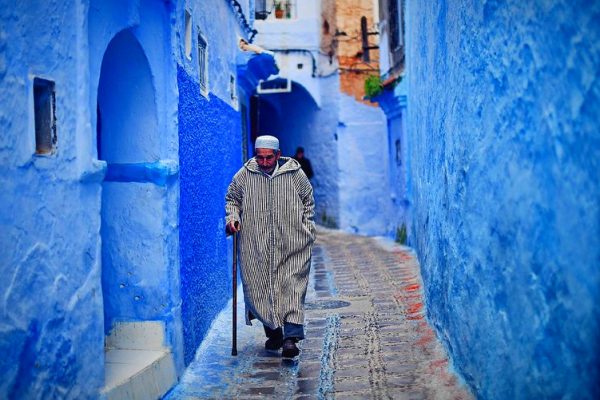
- Chefchaouen: Morocco’s blue-painted mountain village in the Rif Mountains. Two nights here allow a morning hike above the town and an afternoon in the medina without feeling pressured.
- Essaouira: A windswept Atlantic port city with a UNESCO-listed medina, fresh seafood, and a completely different pace from the inland imperial cities. One night works; two is better.
- A second Atlas Mountain day: The Toubkal National Park area near Marrakech rewards an extra trekking day. The Ourika Valley is accessible without a full expedition commitment.
- Slower medina time in Fes: The Fes el-Bali medina is the largest car-free urban area in the world. One day scratches the surface. Two days lets you get genuinely lost and find the good spots.
- Meknes detour: Adding Meknes and the Roman ruins at Volubilis between Fes and Chefchaouen costs only a few hours and adds a third imperial city to your count.
Budget planning matters at this length. A mid-range 10-day Morocco trip typically costs $1,500–$2,400 per person excluding flights. That range covers comfortable riads, private transport, and guided medina tours without luxury pricing.
Pro Tip: Select your arrival and departure airports to match your route direction. Flying into Marrakech and out of Fes, or vice versa, eliminates the need to double back and saves a full travel day on a 10-day schedule.
What does the ultimate 14-day Morocco itinerary cover?
The 14-day grand tour splits Morocco into two distinct circuits: the southern desert and imperial cities loop, and the northern coastal and mountain route. This format is the only one that lets you include Rabat, Meknes, Volubilis, Chefchaouen, Essaouira, the Sahara, and the Atlas Mountains without feeling rushed at any of them.
Comparing the three itinerary formats
| Feature | 7 Days | 10 Days | 14 Days |
|---|---|---|---|
| Regions covered | South + 2 imperial cities | South + north or coast | Full north and south |
| Pace | Fast | Moderate | Relaxed |
| Sahara included | Yes | Yes | Yes |
| Chefchaouen | No | Optional | Yes |
| Essaouira | No | Optional | Yes |
| Atlas trekking | Day trip only | 1–2 days | 2–3 days |
| Imperial cities | Marrakech, Fes | Marrakech, Fes, Meknes | All four |
| Best for | First-timers | Repeat visitors or curious first-timers | Slow travelers, culture seekers |
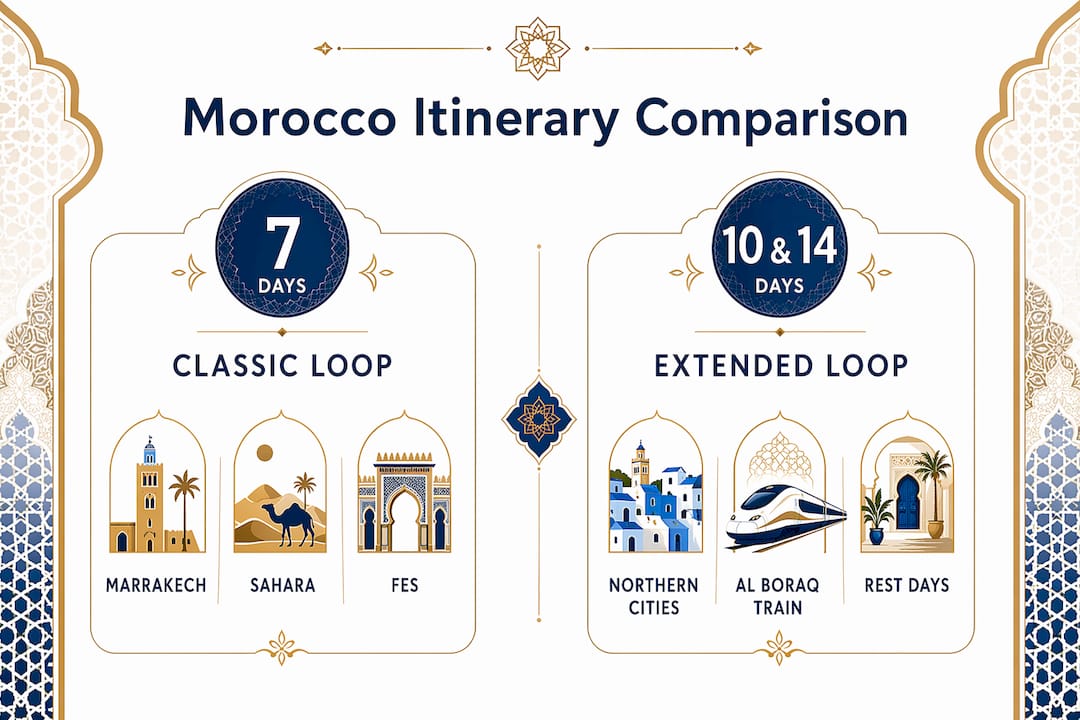
The 14-day format also allows for the Al Boraq high-speed train between Casablanca, Rabat, and Tangier. This train cuts travel time between northern cities dramatically and removes the fatigue of long road transfers in the north. Combining the train for northern legs with a private vehicle for southern desert routes gives you the best of both transport worlds.
Rest days are not wasted days in a 14-day Morocco travel guide. Building two or three days without scheduled activities, one in Fes, one in Chefchaouen, and one in Essaouira, produces the kind of unplanned encounters that become the stories you tell for years. The best cultural experiences in Morocco happen when you are not racing to the next site.
Climate timing shapes the 14-day format more than shorter trips. March through may and september through november offer the most comfortable temperatures across all regions. Summer works for the coast but punishes desert and city travel. Winter is viable with proper layers but limits high-altitude Atlas trekking.
How do you optimize your Morocco travel itinerary logistics?
Logistics determine whether a Morocco travel itinerary works on paper and in practice. The single biggest variable is your arrival airport. Marrakech airport suits south-focused trips. Casablanca handles the most international connections. Fes works well if you plan to start in the north and move south. Tangier is the right entry point for travelers coming from Spain by ferry.
Key logistics decisions to make before you book
- Open-jaw flights: Flying into one city and out of another eliminates backtracking entirely. This is the single most effective routing decision for any trip over 7 days.
- Private car vs. rental: A private driver with a vehicle costs more than a rental but removes navigation stress on mountain roads and desert tracks. For groups of two or more, the price difference narrows significantly.
- Train for northern cities: The Al Boraq high-speed rail connects Casablanca, Rabat, Kenitra, and Tangier. It is faster and more comfortable than driving that corridor.
- Guided medina tours: Fes el-Bali and Marrakech’s medina are genuinely disorienting without a guide on the first visit. A two-hour guided walk pays for itself in time saved and context gained.
- SIM card on arrival: Local SIM cards cost approximately 50 MAD for 10GB of data. Buy one at the airport rather than relying on hotel Wi-Fi for navigation.
Most travelers from the US, UK, and EU enter Morocco visa-free for up to 90 days with a passport valid at least 6 months beyond entry. That removes one planning variable entirely. Use bank ATMs rather than airport exchange counters for better rates on the Moroccan dirham.
Itinerary fatigue is the most common first-timer mistake. Experts consistently recommend fewer destinations with longer stays over a packed schedule of drive-throughs. A night in a riad inside Fes el-Bali or a desert camp at Merzouga delivers more cultural value than three half-day stops ever will.
Key Takeaways
The best Morocco itinerary matches trip length to a single well-defined loop, prioritizing depth over destination count to avoid transit fatigue and maximize cultural immersion.
| Point | Details |
|---|---|
| 7 days covers the classic loop | Marrakech, Aït Benhaddou, Sahara, and Fes form the ideal southern circuit for first-timers. |
| 10 days is the sweet spot | Adding Chefchaouen or Essaouira improves variety and pace without overextending the schedule. |
| 14 days enables a full grand tour | Both northern and southern circuits fit comfortably, including all four imperial cities and the coast. |
| Airport choice shapes the route | Flying into Marrakech and out of Fes, or the reverse, eliminates costly backtracking on any trip length. |
| Fewer stops, deeper experience | Staying two nights minimum per destination produces genuine cultural engagement rather than surface-level visits. |
What I’ve learned from planning Morocco itineraries that actually work
The advice I give most often contradicts what most travelers want to hear: cut destinations, not days. Every traveler I have worked with who tried to see Marrakech, the Sahara, Fes, Chefchaouen, Essaouira, and Rabat in 7 days came back exhausted and slightly disappointed. Not because Morocco failed them, but because they never stopped moving long enough to let it.
The medinas of Fes and Marrakech are not sights you check off. They are environments you need time to read. The first morning in Fes el-Bali, you are overwhelmed. The second morning, you start to notice patterns. By the third morning, you have a favorite bakery and a shortcut to the tanneries. That progression only happens if you stay long enough.
Desert camps at Merzouga are another example. Travelers who arrive late afternoon, do the camel trek, sleep, and leave at dawn get a beautiful photograph. Travelers who arrive a day earlier, walk the dunes alone in the morning, and watch the light change across Erg Chebbi over two sunsets get something they cannot fully explain to people who were not there.
My honest recommendation for anyone planning a luxury Morocco itinerary is to choose 10 or 14 days if your schedule allows. The extra days do not just add destinations. They add the breathing room that turns a good trip into a genuinely memorable one. And if you only have 7 days, commit fully to the southern loop. Do not try to squeeze Chefchaouen in. Do it properly, or save it for the next trip.
— Moroccotours
How Moroccotours builds your ideal Morocco itinerary
Moroccotours specializes in custom Morocco guided tours built around your trip length, travel style, and the regions that matter most to you. Whether you are planning a focused 7-day southern circuit or a full 14-day grand tour, the team designs routes that eliminate backtracking, match accommodations to each destination’s character, and include local expert guides where they add the most value. Every itinerary is private and adjustable. For travelers who want the Sahara, the medinas, and the Atlas Mountains without the logistics stress, Moroccotours handles the details so you can focus on the experience. Explore luxury Morocco travel packages tailored to your exact trip length and interests.
FAQ
What is the minimum number of days needed for a Morocco trip?
Seven days is the recommended minimum for a meaningful Morocco trip, covering Marrakech, the Sahara Desert, and Fes. Fewer than 5 days limits you to a single city experience.
Is 10 days enough to see both north and south Morocco?
Ten days covers the southern loop plus one northern destination like Chefchaouen or Essaouira. Trying to cover the full north and south circuit in 10 days leads to excessive transit time and reduces overall enjoyment.
What is the best time of year to visit Morocco?
March through may and september through november offer the most comfortable temperatures across all regions, from the Sahara to the Atlas Mountains. Summer is viable on the Atlantic coast but harsh in desert and inland city areas.
Do I need a visa to visit Morocco from the US?
US, UK, and EU passport holders enter Morocco visa-free for up to 90 days, provided their passport is valid at least 6 months beyond the entry date.
What is the best airport to fly into for a Morocco itinerary?
Marrakech airport suits south-focused itineraries, while Casablanca handles the most international connections. Flying open-jaw, into one city and out of another, eliminates backtracking and saves a full travel day on trips of 10 days or more.
Itinerary Expand all Collapse all
Included
Price
Related Tours
Morocco Desert Tour
Northern Morocco Tour
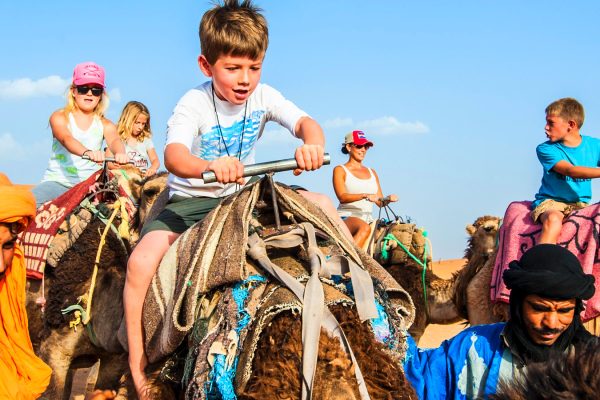
Morocco Family Tour
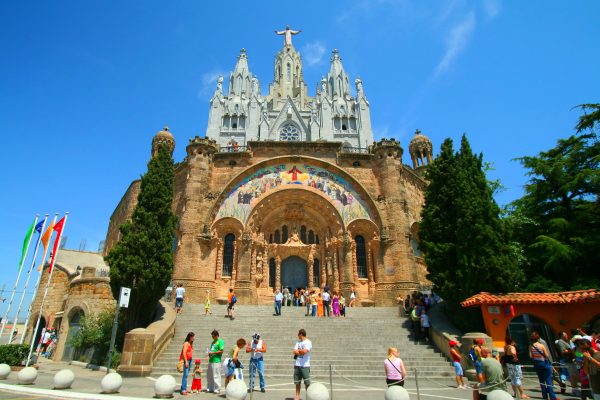
Morocco Spain Tour
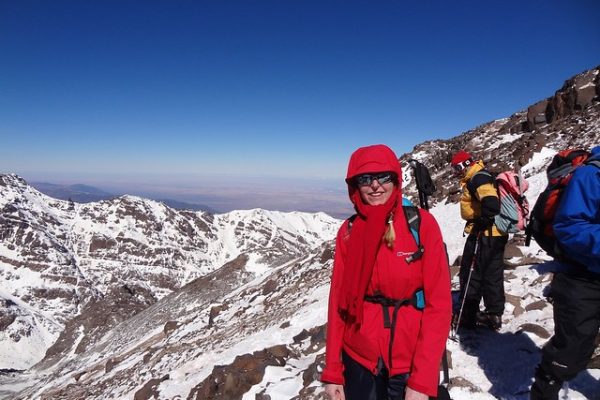
Morocco Trekking Tour
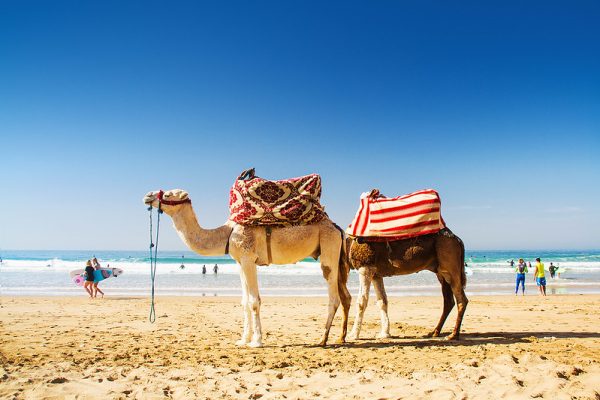
Morocco Highlights Tour
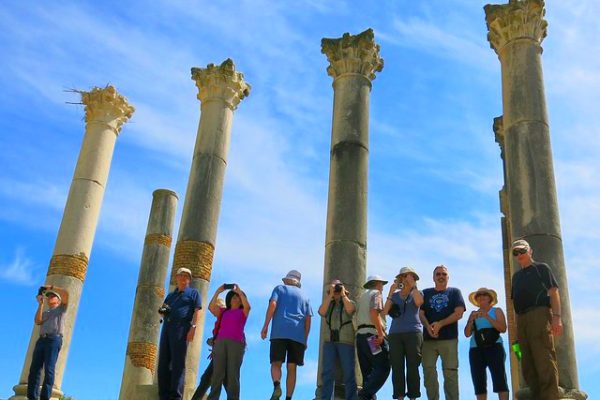
Morocco Group Tour
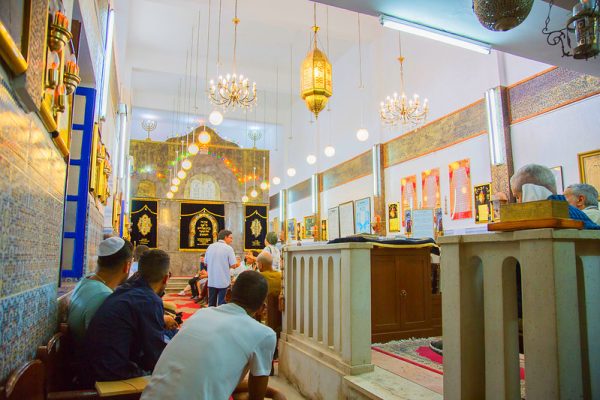
Morocco Jewish Tour
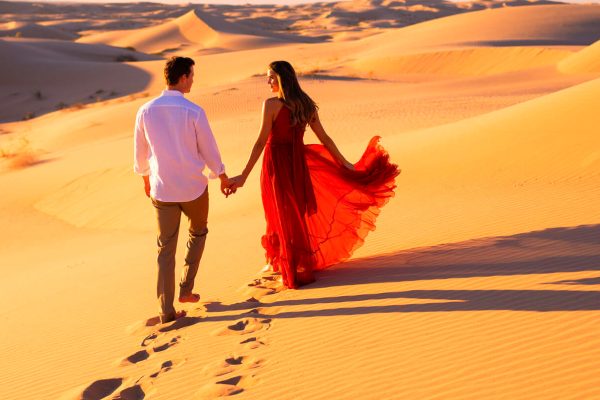
Morocco Honeymoon Tour
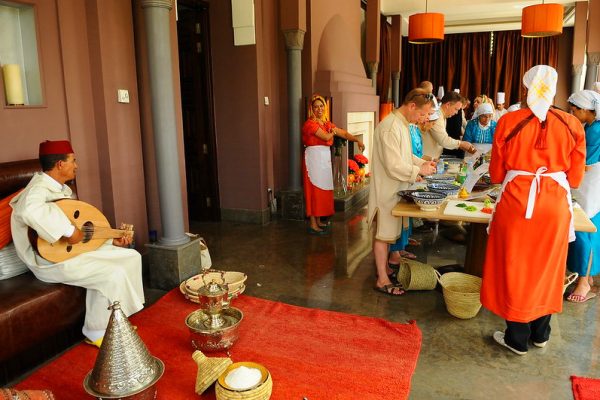
Morocco Food Tour
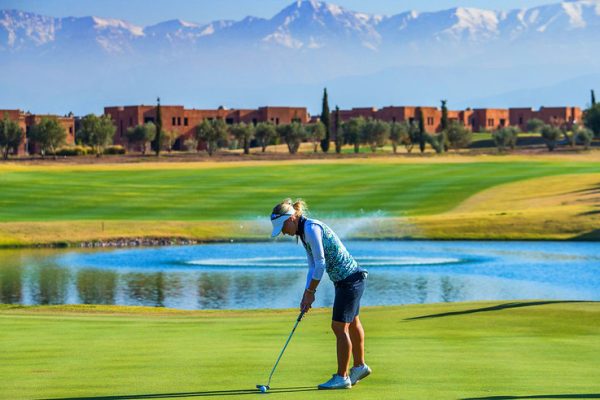
Morocco Golf Tour
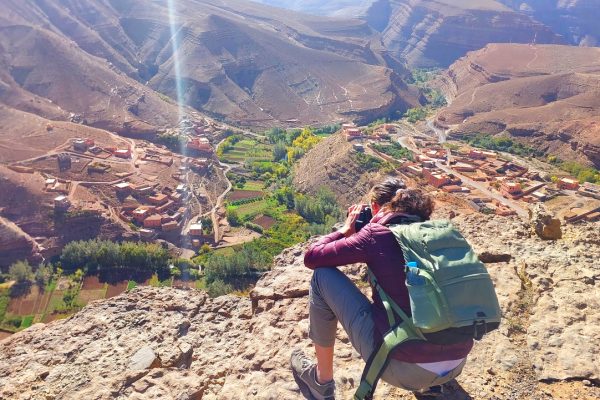
Morocco Photography Tour
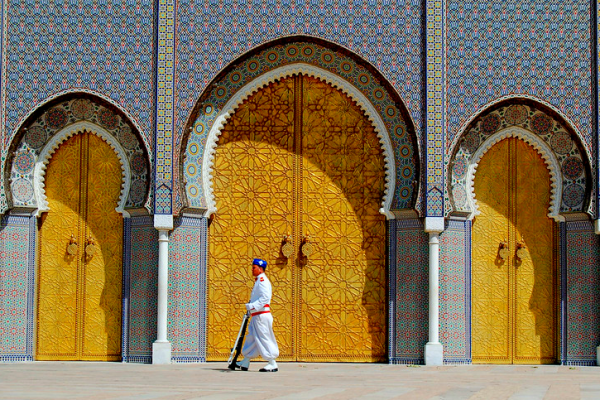
Morocco Signature Tour
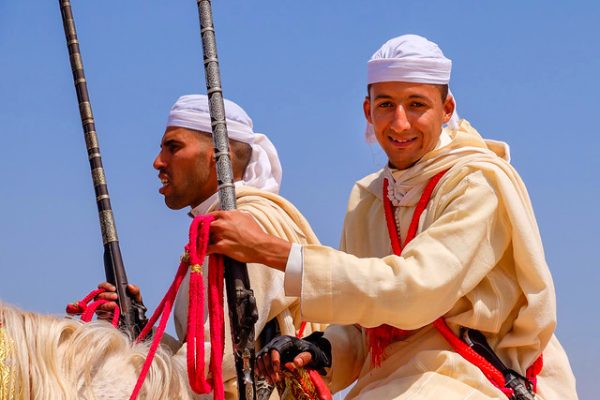
Morocco Imperial Cities Tour
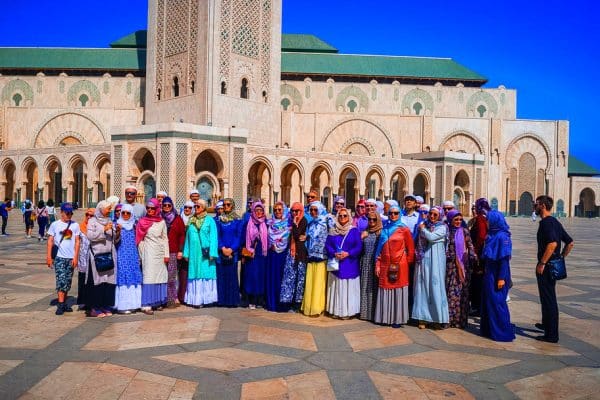
Morocco Grand Tour

Is Morocco Safe for Solo Women? Your 2026 Guide
