
10 Mistakes Travelers Make in Morocco
Highlights
- Travelers often make navigation, cultural, currency, and itinerary mistakes when visiting Morocco, despite their experience level.
- Using offline maps and planning fewer destinations enhances safety and enjoyment, while dressing modestly and respecting local customs fosters positive interactions.
- Proper currency exchange, small bills, and reliable transport reduce financial and safety risks, ensuring a smoother trip.
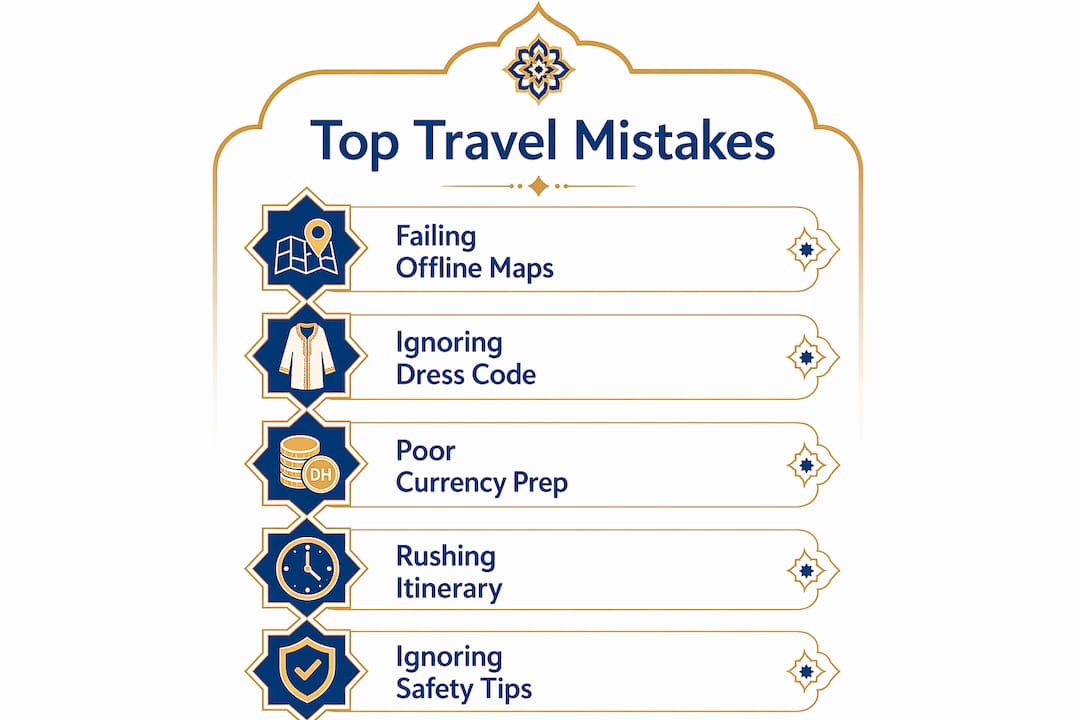
The most frequent travel mistakes in Morocco fall into four categories: navigation errors, cultural missteps, currency mishandling, and poor itinerary planning. These are not rookie errors exclusive to first-time travelers. Experienced globetrotters make them too, often because Morocco operates by rules that differ sharply from Western travel norms. The 10 mistakes travelers make in Morocco are well documented, entirely predictable, and almost always avoidable with the right preparation. This guide covers each one with specific, practical advice so your trip runs on your terms.
What are the most common navigation mistakes in Morocco?
GPS signals often fail inside Moroccan medinas, making offline maps the only reliable navigation tool. The ancient walled cities of Fez and Marrakech were built centuries before satellites, and their narrow, winding alleyways block signals consistently. Offline maps like Google Maps or Maps.me, downloaded before you enter the medina, are the standard fix. Without them, you will spend real time lost.
Underestimating travel times is the second major navigation error. Mountain roads, fuel stops, and local traffic add hours to journeys that look short on a map. The drive from Marrakech to Merzouga, for example, covers roughly 560 kilometers but takes 9–10 hours by road due to the High Atlas passes. Plan for that reality, not the map distance.
Unofficial guides are the third trap. Men near medina entrances will offer to show you around, often for a fee that escalates mid-tour. Official taxi stands and licensed guides booked through your hotel or a reputable operator remove this risk entirely.
Pro Tip: Download your offline maps the night before entering any medina. Walk with purpose and keep your phone in your pocket. Hesitation signals uncertainty, and uncertainty attracts unwanted attention.
The table below shows how common navigation tools perform in Moroccan conditions.
| Tool | Medina reliability | Data required | Best use case |
|---|---|---|---|
| Google Maps (offline) | High | No (pre-downloaded) | Medina walking routes |
| Maps.me | High | No (pre-downloaded) | Rural roads and trails |
| Live GPS apps | Low | Yes (roaming) | Open highways only |
| Paper maps | Medium | None | Backup orientation |
How do cultural misunderstandings affect your Morocco trip?
Dressing modestly is the single most impactful cultural adjustment you can make. Covering shoulders and knees applies to both men and women and signals respect for local norms. Travelers who ignore this draw more unwanted attention, face friction at religious sites, and sometimes receive less courteous service. Lightweight linen trousers and a loose shirt cost nothing extra to pack and solve the problem entirely.
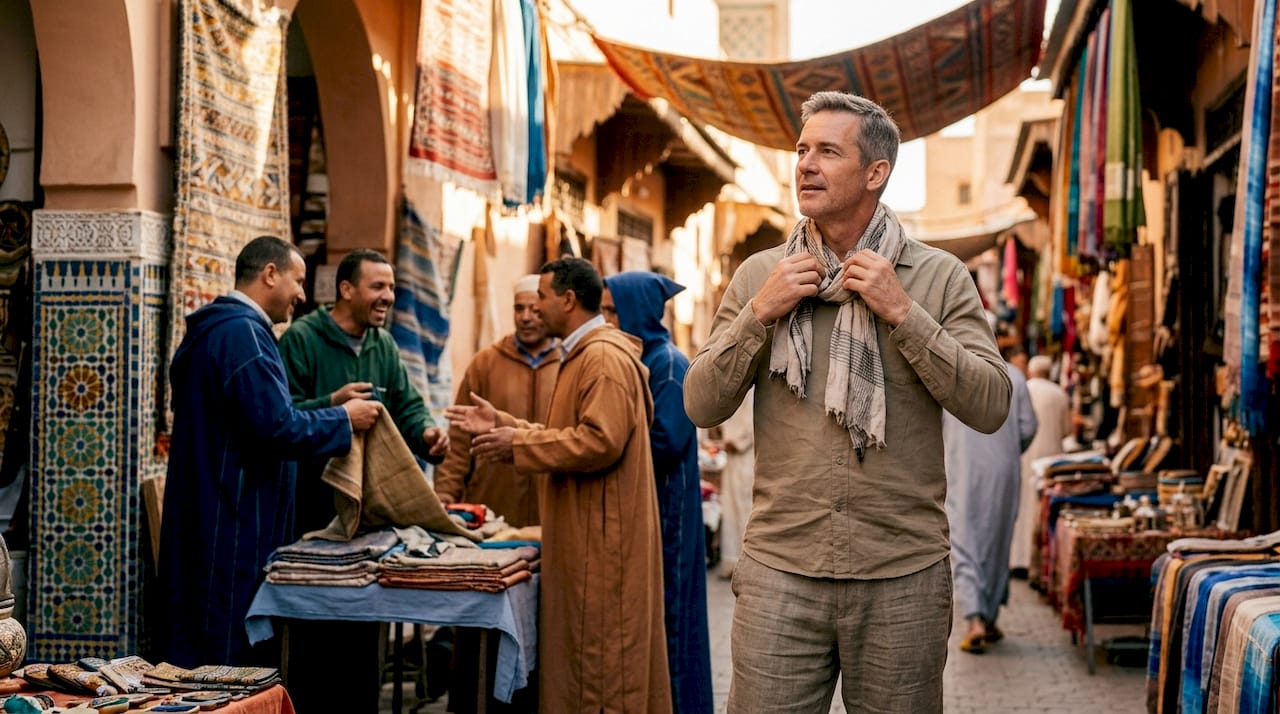
The second cultural mistake is assuming that friendliness equals a scam. Most Moroccans are genuinely hospitable, and conflating their warmth with manipulation creates unnecessary tension and ruins interactions that could have been memorable. A shopkeeper inviting you in for mint tea is not automatically setting a trap. Learning to read context, rather than defaulting to suspicion, is the skill that separates good Morocco trips from frustrating ones.
Souk etiquette also trips up travelers. Picking up an item signals interest and opens negotiation. Agreeing to a price verbally is considered binding. Photographing people without asking first is considered rude, particularly with women and in rural areas.
Pro Tip: Learn two phrases before you arrive: “la, shukran” (no, thank you) and “bsaha” (to your health, used when someone sneezes or after a meal). Using even basic Darija phrases shifts the dynamic immediately and earns genuine warmth.
Dos and don’ts for culturally aware behavior in Morocco
Do:
- Dress modestly in medinas, mosques, and rural areas
- Accept mint tea as a social gesture, not a sales tactic
- Ask permission before photographing people
- Greet shopkeepers with “salam” before browsing
- Remove shoes when entering a home or prayer space
Don’t:
- Eat, drink, or smoke in public during Ramadan daylight hours
- Enter mosques unless they are specifically open to non-Muslims
- Assume a price is fixed without asking
- Raise your voice in a disagreement; calm negotiation is the norm
- Walk into a souk without a rough sense of what you want to pay
What money mistakes do travelers make in Morocco?
The Moroccan Dirham is a closed currency, meaning it cannot be legally purchased outside Morocco. Travelers who try to source dirhams before departure waste time and often pay inflated rates at specialty exchange desks. Exchange at the airport on arrival or at a city ATM. The rates are fair, the process is straightforward, and you leave with legal tender immediately.
Carrying only large bills is the second money mistake. Many vendors cannot provide change for large notes and do not accept credit cards. A 200-dirham note at a small souk stall or a roadside café will cause a transaction to stall or collapse. Keep a supply of 10, 20, and 50-dirham notes at all times.
Unofficial exchange stalls offer rates that look attractive but often involve sleight of hand or outright fraud. Use banks, ATMs, or your hotel’s exchange desk. The small rate difference is not worth the risk.
Tipping is expected and specific. The amounts below reflect standard practice across Morocco.
- Restaurant servers: 10%–15% of the bill in mid-range and upscale restaurants; 5–10 dirhams in casual spots
- Licensed tour guides: 50–100 dirhams per day for a half-day tour; 100–200 dirhams for a full day
- Hotel staff (porters, housekeeping): 10–20 dirhams per service
- Hammam attendants: 20–50 dirhams depending on the service level
- Parking attendants (“gardiens”): 2–5 dirhams when you return to your car
Skipping tips entirely is noticed and considered disrespectful. Overtipping in cash-heavy informal settings can also create awkward expectations for other travelers. Stick to the ranges above.
How can you fix your Morocco itinerary before it breaks you?
Rushing multiple cities in a single trip is the most common itinerary mistake. Travelers who try to cover Marrakech, Fez, Chefchaouen, the Sahara, and Essaouira in seven days end up exhausted and retain almost nothing. Overestimating how much you can see leads to rushed itineraries and traveler fatigue that compounds daily. Quality of experience drops sharply when you spend more time in transit than in place.
Desert tour bookings are a specific failure point. Booking without confirming the camp name and exact location leads to arriving at a camp that does not match what was advertised, with facilities ranging from disappointing to genuinely uncomfortable. Always get the camp name in writing, verify it independently, and book through an established operator. Moroccotours, for example, confirms all desert logistics in advance and provides detailed itineraries before departure.
Temperature extremes in the Sahara also catch travelers off guard. Daytime temperatures in summer exceed 40°C (104°F), while nights in winter drop near freezing. Packing for only one condition is a mistake that ruins the experience.
Pro Tip: Build one unscheduled half-day into every three days of your Morocco itinerary. Use it to revisit a souk you liked, rest, or follow a local recommendation. The best moments in Morocco rarely appear on a printed schedule.
Slow travel through Morocco consistently produces better outcomes than city-hopping. Two full days in Fez beats four hours. One night in the desert beats a rushed camel ride and immediate departure. Depth beats breadth every time in this country.
What safety and communication mistakes should you avoid in Morocco?
Morocco is a safe destination by regional standards, but specific habits reduce risk further. Medina neighborhoods are generally safe during the day and require more awareness after dark, particularly in areas away from main tourist routes. Staying on well-lit, populated streets after 10:00 PM is the practical standard.
Communication barriers cause more frustration than danger, but they still derail trips. Arabic (Darija) and French are the primary languages in most cities. English is spoken in tourist-heavy areas but not universally. Learning a handful of French phrases covers most practical situations: ordering food, asking directions, and negotiating prices.
Handling persistent sellers is a skill, not a confrontation. Polite but firm refusals using “la, shukran” work better than ignoring sellers or engaging in extended back-and-forth. Engaging with a seller for more than 30 seconds signals genuine interest. A clean, calm refusal and continued walking closes the interaction.
Safety and communication dos and don’ts
Do:
- Share your daily itinerary with someone at home or at your hotel
- Use official petit taxis with meters confirmed before departure
- Keep a photo of your passport on your phone
- Learn basic French phrases for practical daily use
- Trust your instincts if a situation feels wrong
Don’t:
- Accept unsolicited directions from strangers near medina entrances
- Display expensive cameras, jewelry, or large amounts of cash openly
- Walk alone in unfamiliar areas after midnight
- Argue loudly in public; it draws attention and rarely resolves anything
- Assume all transport is metered; always confirm before entering
Choosing reliable transport over the cheapest option available reduces both safety risk and physical exhaustion. A private transfer from Marrakech to the airport costs more than a shared taxi but eliminates the variables that cause stress on travel days.
Key Takeaways
Avoiding the most common Morocco travel mistakes requires preparation across four areas: navigation, cultural respect, currency management, and realistic itinerary planning.
| Point | Details |
|---|---|
| Download offline maps | GPS fails in medinas; use Google Maps or Maps.me downloaded before arrival. |
| Dress modestly | Covering shoulders and knees reduces friction and shows cultural respect. |
| Exchange money on arrival | Moroccan Dirham cannot be purchased outside Morocco; use airport ATMs. |
| Carry small bills | Many vendors cannot change large notes or accept cards. |
| Plan fewer cities, not more | Slow travel produces better experiences than rushing multiple destinations. |
What I’ve learned from watching travelers get Morocco wrong
Travelers who struggle most in Morocco share one trait: they arrive expecting the country to adapt to them. Morocco does not do that. It has its own pace, its own logic, and its own deeply held social codes. The travelers who thrive are the ones who show up curious rather than certain.
The cultural hospitality mistake is the one I find most costly. A traveler who spends a week treating every friendly interaction as a potential scam leaves Morocco exhausted and resentful, having missed the most rewarding part of the country. Genuine connection with Moroccan hosts, shopkeepers, and guides is available to anyone willing to engage respectfully. That requires dropping the defensive posture that makes sense in some cities and makes no sense here.
The itinerary problem is the other one I see constantly. Travelers build schedules that would challenge a logistics professional, then wonder why they feel burned out by day four. Morocco rewards presence. The medina of Fez does not reveal itself in two hours. The Sahara does not deliver its full effect if you leave before sunrise. Giving places enough time to unfold is not a luxury. It is the entire point.
My honest recommendation: pick three or four destinations, build in rest, and let the country surprise you. The travelers who follow that approach consistently describe Morocco as one of the best trips of their lives. The ones who rush it describe it as chaotic and exhausting. The country is the same. The preparation is different.
— Moroccotours
How Moroccotours takes the guesswork out of Morocco travel
Moroccotours designs luxury Morocco tours that address the exact mistakes covered in this article. Every itinerary includes licensed local guides, confirmed accommodations, and private transport, removing the navigation, safety, and scheduling variables that trip up independent travelers. For travelers drawn to the Sahara, the Morocco desert tours include verified camp names, logistics, and packing guidance so nothing is left to chance. If you want a Morocco trip that runs smoothly from arrival to departure, Moroccotours builds it around your pace, your interests, and your budget.
FAQ
What is the biggest mistake first-time travelers make in Morocco?
Relying on live GPS inside medinas is the most disruptive mistake. Offline maps downloaded before arrival are the reliable alternative.
Can I use credit cards in Morocco?
Credit cards work in hotels and larger restaurants, but many vendors, souks, and small cafés accept cash only. Carrying small-denomination dirhams is the practical standard.
Is Morocco safe for solo travelers?
Morocco is safe for solo travelers who follow standard precautions: use official taxis, stay on populated streets at night, and share their itinerary with someone they trust.
When is the best time to visit Morocco?
March through May and September through November offer the most comfortable temperatures across most regions. Summer is extreme in the desert; winter nights in the Sahara drop near freezing.
Do I need to speak Arabic or French to travel in Morocco?
French covers most practical situations in cities. Learning a few Darija phrases like “la, shukran” (no, thank you) and “salam” (hello) improves interactions noticeably and earns genuine goodwill.
Itinerary Expand all Collapse all
Included
Price
Related Tours
Morocco Desert Tour
Northern Morocco Tour
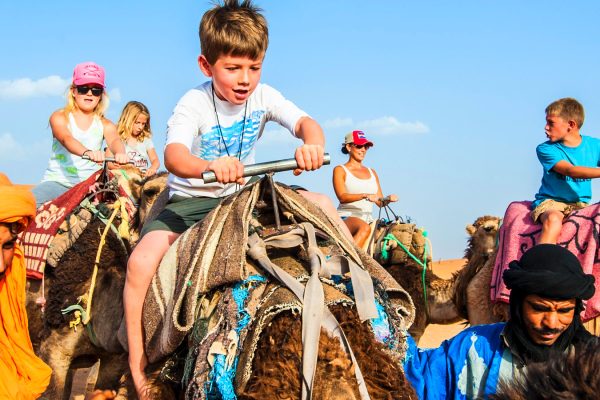
Morocco Family Tour
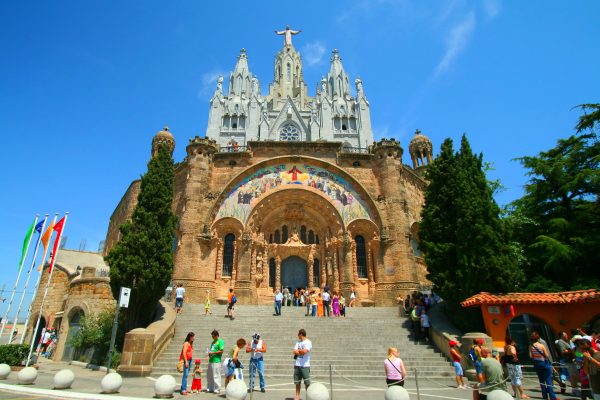
Morocco Spain Tour
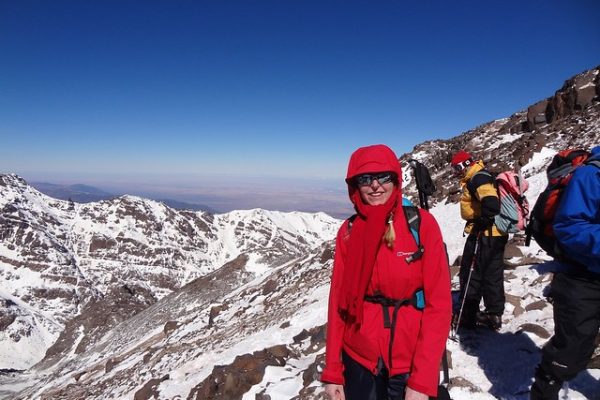
Morocco Trekking Tour
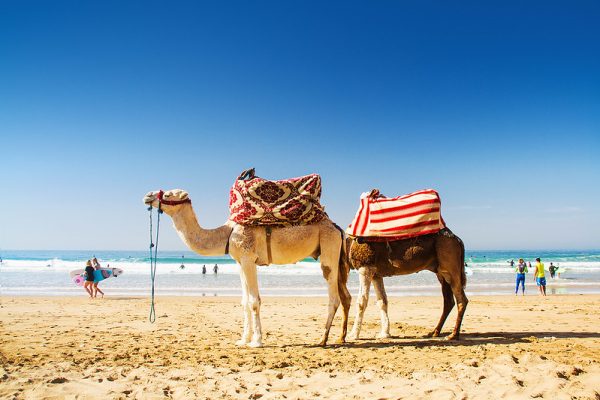
Morocco Highlights Tour
Morocco Group Tour
Morocco Jewish Tour
Morocco Honeymoon Tour
Morocco Food Tour
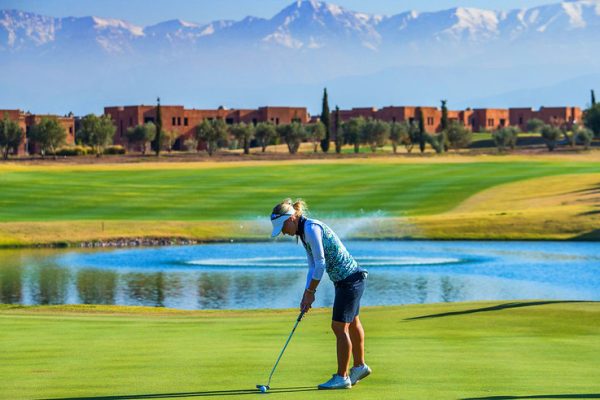
Morocco Golf Tour
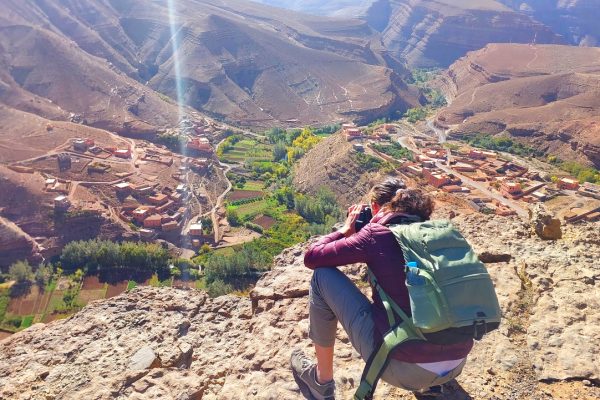
Morocco Photography Tour
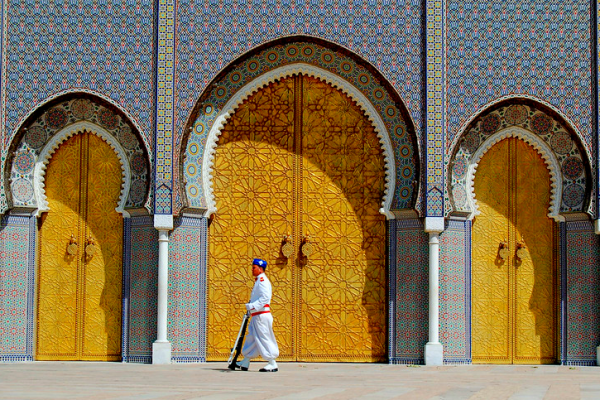
Morocco Signature Tour
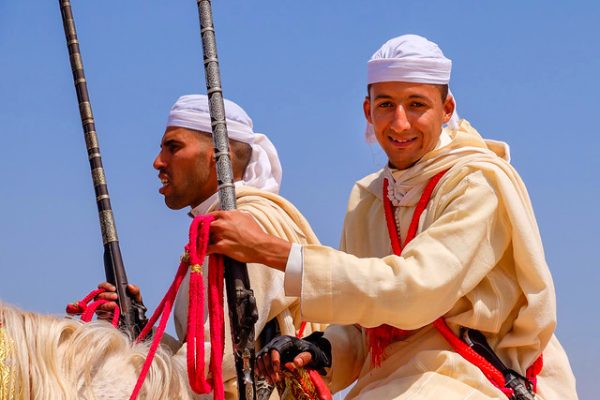
Morocco Imperial Cities Tour
Morocco Grand Tour

Is Morocco Safe for Solo Women? Your Guide

Morocco Itinerary Guide: 7, 10, and 14 Days
Is Morocco Safe for Tourists? Your Guide
Morocco Travel Tips for First Time Visitors

How Many Days Do You Need in Morocco

What to Know Before Visiting Morocco

10 Mistakes Travelers Make in Morocco

Morocco Travel Agency: Plan Your Luxury Tour

Morocco Visa Guide: Requirements and How to Apply
