
Morocco for Seniors: A Comfort-First Travel Guide
Highlights
- Morocco is a rewarding destination for seniors with accessible cities, calm atmospheres, and diverse landscapes.
- Rabat, Agadir, and Essaouira are the most senior-friendly cities, offering manageable streets, mild weather, and cultural attractions.
- Proper preparation includes health checks, travel insurance, and pacing activities to ensure a comfortable and memorable trip.
Morocco is one of the most rewarding destinations a senior traveler can choose, offering ancient medinas, Atlantic coastlines, and Saharan landscapes all within a single country. Morocco for seniors works best when the trip is built around accessible cities, private transport, and a relaxed daily pace rather than a checklist of sights. Rabat, Agadir, and Essaouira stand out as the most senior-friendly cities in the country, each offering manageable streets, mild climates, and genuine cultural depth. With the right preparation, including a doctor’s visit, solid travel insurance, and a well-paced Morocco itinerary, Morocco delivers an experience that is both memorable and physically comfortable.
Which cities in Morocco are best for senior travelers?
Rabat, Agadir, and Essaouira are the top three cities for older adults visiting Morocco. Each one offers a combination of open spaces, walkable areas, and a slower pace that suits travelers who prefer comfort over intensity.
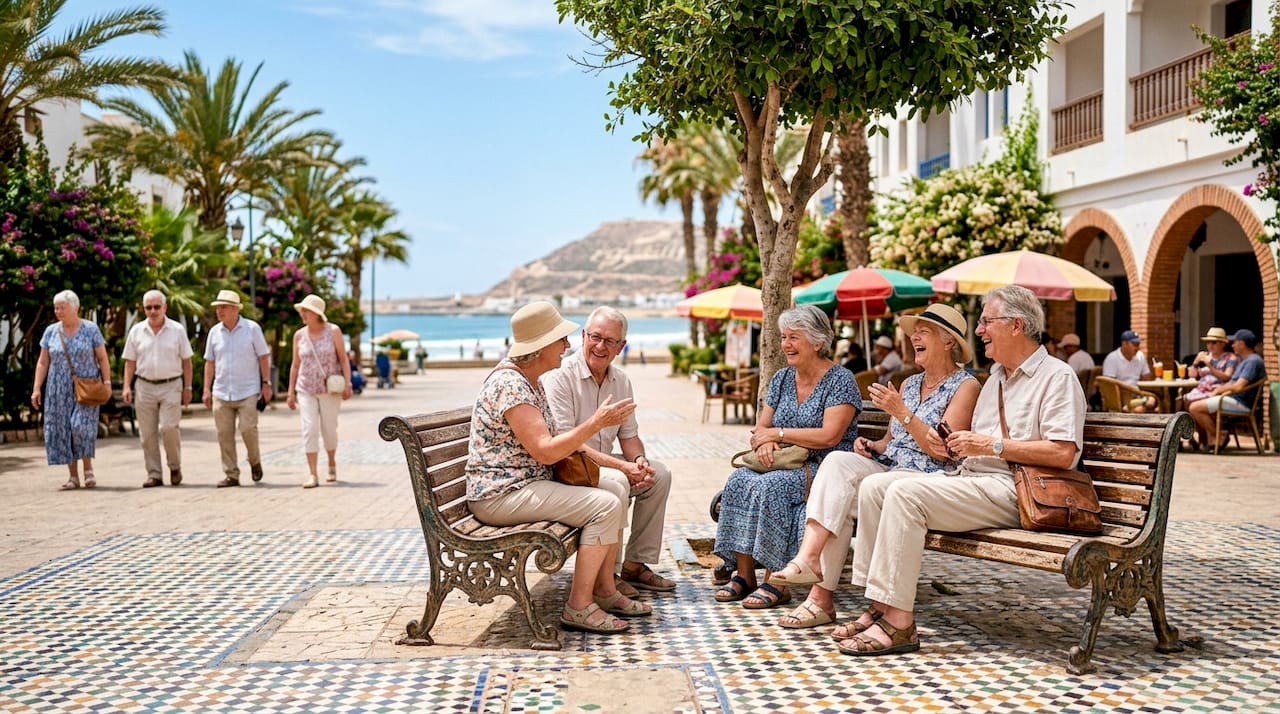
Rabat is Morocco’s capital and one of its most underrated cities for seniors. The streets are wider and better maintained than in older medinas. The Kasbah of the Udayas sits above the Atlantic, offering sea views without demanding a long climb. The city’s gardens, including the Andalusian Garden, provide shaded, flat walking paths perfect for a leisurely morning.
Agadir functions more like a modern resort city than a traditional Moroccan destination. Its beachfront promenade is flat, paved, and lined with cafes. The city was rebuilt after a 1960 earthquake, which means its layout is far more grid-like and navigable than older imperial cities. Seniors with mobility concerns find Agadir the easiest Moroccan city to get around independently.
Essaouira offers a smaller, calmer medina than Marrakech or Fes. The Atlantic winds keep temperatures moderate even in summer. The medina walls are easy to walk along, and the fishing port is just minutes from the main square. The city has a relaxed, artsy atmosphere that rewards slow exploration.
Cities like Marrakech and Fes are worth visiting, but they require more planning for seniors. The medinas in both cities are dense, loud, and physically demanding. Narrow alleyways, uneven cobblestones, and persistent vendor attention can be exhausting. If you want to include these cities, keep stays short and always book a private guide.
- Rabat: wide streets, gardens, sea views, calm pace
- Agadir: modern layout, flat promenade, resort amenities
- Essaouira: compact medina, Atlantic breeze, relaxed atmosphere
- Marrakech and Fes: culturally rich but physically demanding; best with a guide and limited time
Pro Tip: Choose two or three cities maximum for a two-week trip. Spending three or four nights in each location gives you time to settle in, rest, and actually enjoy where you are rather than constantly repacking.
What health and safety preparations do seniors need for Morocco?
Health preparation is the single most important step before any senior travels to Morocco. No mandatory vaccinations are required for entry to Morocco as of 2026, but a doctor’s consultation at least one month before departure is strongly recommended. Your doctor can review your current medications, flag any interactions with local food or water, and advise on vaccines like hepatitis A, typhoid, and tetanus based on your personal health history.
Travel insurance is non-negotiable for senior travelers. Your policy must cover pre-existing conditions and, critically, medical evacuation. Private healthcare is available in major Moroccan cities like Casablanca, Rabat, and Marrakech, but costs can be significant without coverage. A policy that includes evacuation to your home country protects you if a serious medical situation arises.
Packing medications correctly prevents problems at customs and in emergencies. Carry all prescription medications in their original labeled containers. Bring a written copy of each prescription, including the generic drug name, since brand names differ internationally. Pack enough medication for the full trip plus a buffer of several extra days in case of delays.
Morocco is generally safe for seniors, with a visible security presence in tourist areas. Standard precautions apply everywhere:
- Keep your passport, cash, and cards in a money belt or hotel safe
- Avoid walking alone in unfamiliar areas after dark
- Be cautious with unsolicited offers of help or free tours, as these often lead to pressure selling
- Trust your instincts; if a situation feels wrong, walk away
- Use ATMs inside banks rather than standalone machines on the street
Tap water in Morocco is treated but not always reliable for travelers with sensitive stomachs. Drink bottled water throughout your trip. This simple step prevents most stomach issues that derail travel plans.
Pro Tip: Carry a small card in Arabic and French listing your key medical conditions and any drug allergies. Most Moroccan doctors and pharmacists speak French, and this card can save critical time in an emergency.
How to plan a senior-friendly Morocco itinerary
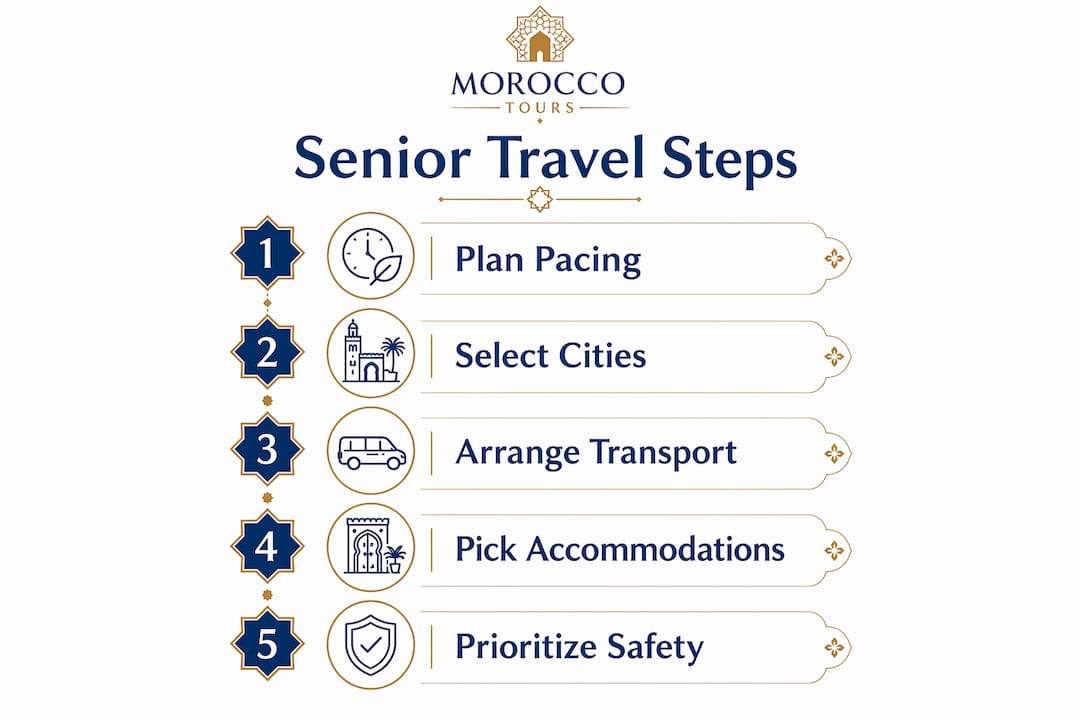
Pacing is the most important factor in a successful Morocco trip for older adults. Overpacking an itinerary leads to exhaustion, and exhaustion turns a great trip into an ordeal. The fix is simple: plan no more than one or two activities per day, build in rest time after long transfers, and never schedule back-to-back travel days.
Choosing the right transport
Private drivers and guided tours are the best transport options for seniors in Morocco. A private driver handles navigation, luggage, and logistics, which removes the stress of figuring out local buses or shared taxis. For a two-week trip, the cost of a private driver is a worthwhile investment in both comfort and safety. Moroccotours arranges private guided tours with experienced local drivers who know accessible routes and can adjust the pace to suit your needs.
Selecting the right accommodation
Accessibility varies widely across Moroccan accommodation types. Traditional riads are charming but often involve steep internal staircases and no elevator. For seniors, a modern hotel with an elevator, central location, and ground-floor breakfast room is a better choice. When booking, confirm directly with the property that accessible rooms are available.
Best seasons to visit
Spring and autumn are the best travel seasons for seniors visiting Morocco. March through May brings mild temperatures, green landscapes, and manageable crowds. September through November offers similar conditions after the summer heat breaks. Coastal cities like Agadir and Essaouira stay pleasant in summer, but inland cities and desert areas become very hot, which is taxing for older travelers.
A practical daily schedule for seniors in Morocco:
- Start mornings early with a short cultural visit or garden walk before heat builds
- Return to your accommodation for a midday rest during the hottest hours (noon to 3:00 PM)
- Schedule afternoon activities for 4:00 PM onward when temperatures drop
- Choose restaurants within walking distance of your hotel for evening meals
- Keep one full rest day per week with no planned activities
| Season | Temperatures | Crowd Level | Best For |
|---|---|---|---|
| March–May | Mild (60–75°F) | Moderate | City tours, gardens, cultural sites |
| June–August | Hot inland, mild coast | High | Coastal cities only |
| September–November | Mild (65–78°F) | Moderate | All regions, including desert |
| December–February | Cool to cold | Low | Budget travel, quiet medinas |
Pro Tip: Book accommodations that include breakfast. Starting the day with a proper meal at your hotel saves time, avoids the challenge of finding a suitable café, and gives you energy for morning activities.
What are the best activities in Morocco for seniors?
The best activities in Morocco for seniors combine cultural richness with low physical demand. Morocco’s greatest strengths as a destination are its history, craftsmanship, food, and landscapes, and most of these can be experienced without strenuous effort.
Garden visits rank among the most enjoyable activities for older travelers. The Majorelle Garden in Marrakech is paved and wheelchair-accessible in most sections. The Andalusian Garden in Rabat offers shaded paths and fountains in a calm setting. Both reward slow, unhurried visits.
Medina strolls with a private guide transform what could be a confusing, tiring experience into a genuinely pleasurable one. A good guide controls the pace, steers you away from aggressive vendors, and explains the history of each street and craft. Experienced travelers recommend pairing guided tours with occasional independent exploration to balance ease with personal discovery.
Cultural experiences that work particularly well for seniors include:
- Cooking classes: Held in private homes or cooking schools, these are seated, social, and deeply immersive. You learn to prepare tagine, couscous, or pastilla while sitting comfortably at a kitchen table.
- Hammam visits: A traditional Moroccan steam bath and massage is one of the most relaxing experiences the country offers. Many upscale riads and hotels have private hammams with trained staff.
- Artisan workshops: Watching a master craftsman work with leather, ceramics, or silver is a seated, calm activity. Many workshops in Fes and Marrakech welcome visitors and allow purchases directly from the maker.
- Seaside promenades: Agadir’s beachfront and Essaouira’s rampart walk are flat, paved, and offer stunning views with minimal physical effort.
- Day trips with private transport: A drive through the Atlas Mountains or a visit to the Roman ruins at Volubilis involves mostly riding in a comfortable vehicle with short, manageable walks at each stop.
Dining in Morocco deserves its own attention. Moroccan cuisine is naturally suited to many dietary needs, with abundant vegetable dishes, legumes, and grilled meats. If you have specific dietary restrictions, communicate them clearly when booking restaurants. Most upscale restaurants in tourist areas accommodate requests without difficulty. Avoid raw salads and unpeeled fruit from street stalls to minimize stomach risk.
Cultural respect deepens every interaction in Morocco. Dressing modestly, covering shoulders and knees in medinas and religious sites, and using a simple greeting like “Salam” when entering a shop creates immediate goodwill. Asking permission before photographing people is both polite and appreciated. These small gestures make a real difference in how locals respond to you.
Key Takeaways
Morocco rewards senior travelers who prioritize pacing, accessible cities, and private transport over rushed sightseeing.
| Point | Details |
|---|---|
| Choose the right cities | Rabat, Agadir, and Essaouira offer the best accessibility and comfort for seniors. |
| Prepare health documents | Consult a doctor one month before travel and carry prescriptions in their original containers. |
| Travel in spring or autumn | March–May and September–November offer the most comfortable temperatures across all regions. |
| Use private transport | A private driver removes logistics stress and allows flexible, comfortable daily pacing. |
| Pace your itinerary | Limit activities to one or two per day and build in a midday rest to avoid fatigue. |
What I’ve learned from planning Morocco trips for seniors
After years of helping older travelers plan trips to Morocco, the single biggest mistake I see is trying to do too much. Seniors who book eight cities in twelve days arrive home exhausted and remember very little. Seniors who spend four nights in Essaouira, four nights in Rabat, and three nights in Marrakech come home with vivid memories and a genuine connection to the country.
The second lesson is about guides. A private local guide is not a luxury for seniors in Morocco. It is the difference between a stressful day in a dense medina and a genuinely enjoyable cultural experience. The best guides know which streets are paved, which cafes have clean restrooms, and which vendors to avoid. That knowledge is worth every dollar.
I also want to address the question of safety directly, because I hear it constantly. Morocco is safe for senior travelers who apply the same common sense they would use in any unfamiliar city. Keep your valuables close, stay in well-lit areas after dark, and trust your instincts. The country has a strong security presence in tourist zones, and Moroccans are, as a rule, genuinely hospitable toward older foreign visitors.
The detail that surprises most seniors I work with is how much cultural respect matters to the quality of their experience. Learning a few words of Arabic or French, dressing modestly, and greeting shopkeepers warmly opens doors that stay closed to travelers who treat Morocco like a theme park. The country rewards curiosity and respect with extraordinary generosity. That is the part of Morocco that seniors remember longest, and it costs nothing.
— Moroccotours
How Moroccotours designs Morocco trips for older travelers
Moroccotours specializes in private, luxury Morocco tours built around the needs of travelers who want comfort, cultural depth, and zero logistical stress. Every itinerary is customized, which means your trip can move at your pace, stay in your preferred cities, and include the experiences that matter most to you. Moroccotours provides expert local guides, private vehicles, and hand-selected accommodations with accessibility in mind. Whether you want a Morocco grand tour covering the imperial cities or a focused coastal retreat, the team builds the trip around you. Reach out directly to discuss your needs and get a personalized itinerary.
FAQ
Is Morocco safe for elderly travelers?
Morocco is safe for elderly travelers who apply standard travel precautions. Security is visible in tourist areas, and using a private guide and driver significantly reduces exposure to common risks like scams or disorientation in medinas.
What vaccinations do seniors need for Morocco?
No vaccinations are mandatory for entry to Morocco, but doctors recommend consulting at least one month before travel. Hepatitis A, typhoid, and tetanus are commonly advised based on individual health history.
When is the best time for seniors to visit Morocco?
Spring and autumn are ideal for senior travelers, with March through May and September through November offering mild temperatures and manageable crowds across most regions.
What type of accommodation suits seniors best in Morocco?
Modern hotels with elevators and central locations suit seniors better than traditional riads, which often have steep staircases and no elevator access. Always confirm accessibility features directly with the property before booking.
What are the easiest Moroccan cities for seniors to get around?
Agadir is the easiest city for independent mobility due to its modern, grid-like layout. Rabat and Essaouira follow closely, offering manageable medinas and open spaces that suit a relaxed pace without requiring a guide at every step.
Itinerary Expand all Collapse all
Included
Price
Related Tours
Morocco Desert Tour
Northern Morocco Tour
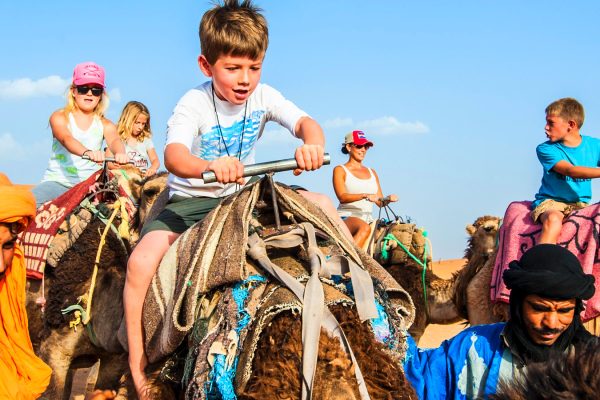
Morocco Family Tour
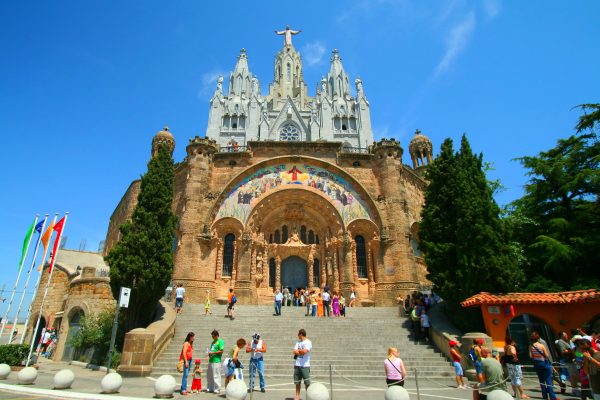
Morocco Spain Tour
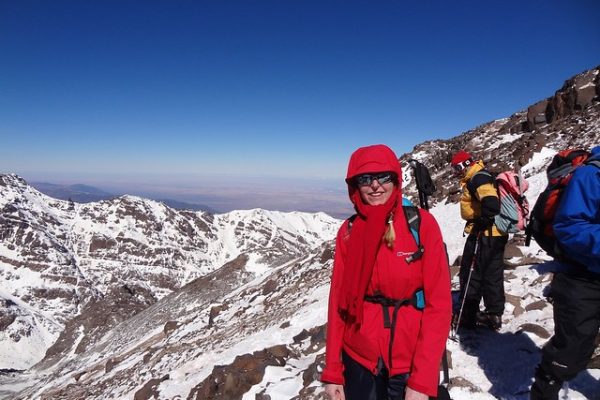
Morocco Trekking Tour
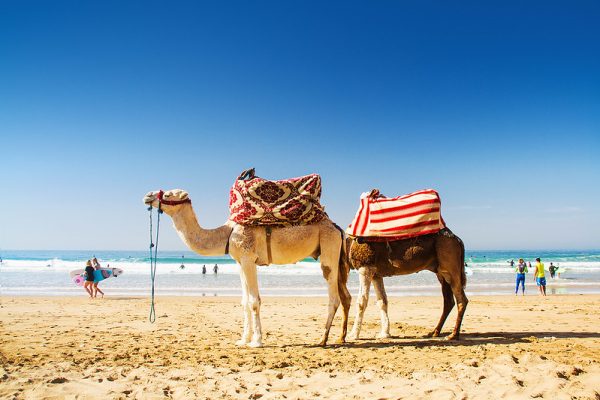
Morocco Highlights Tour
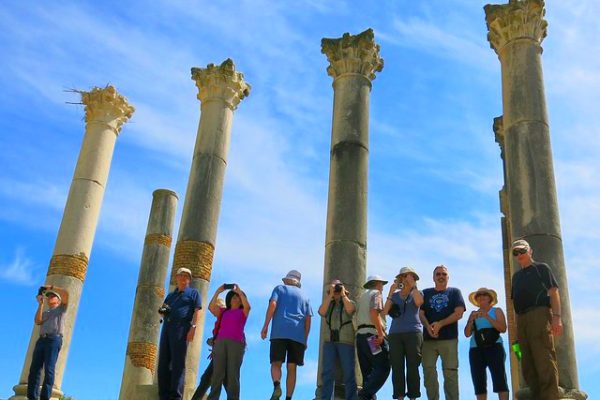
Morocco Group Tour
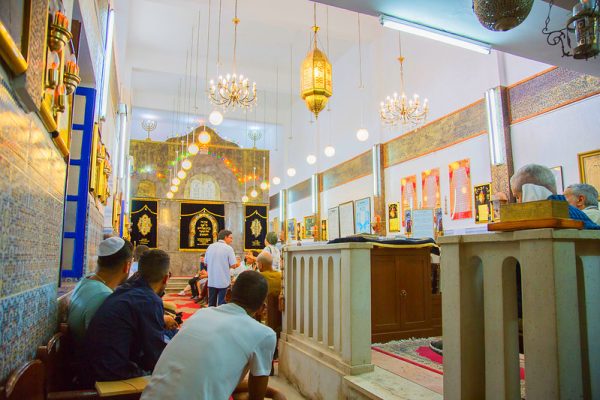
Morocco Jewish Tour
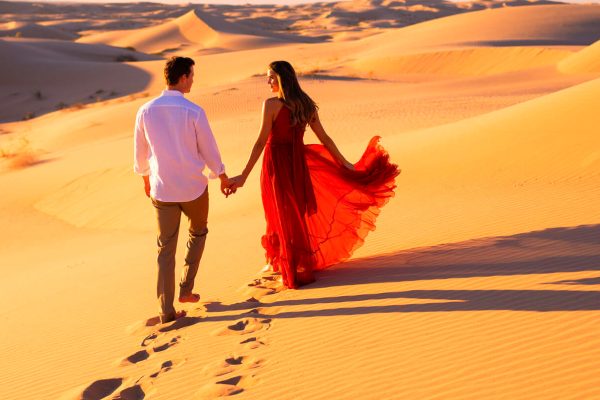
Morocco Honeymoon Tour
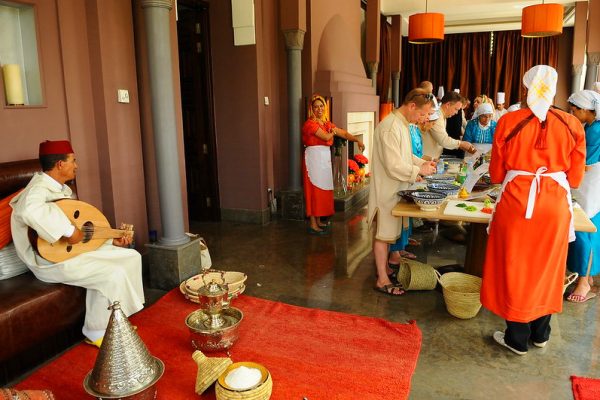
Morocco Food Tour
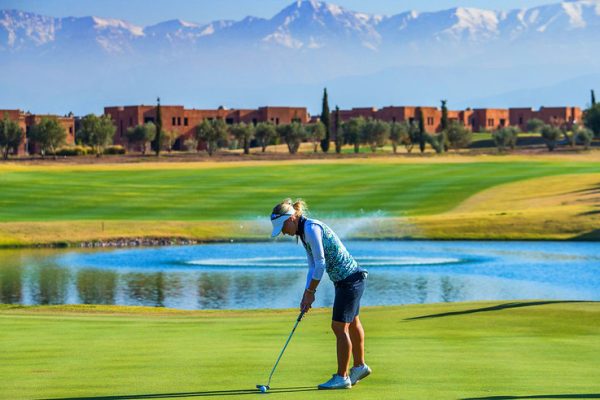
Morocco Golf Tour
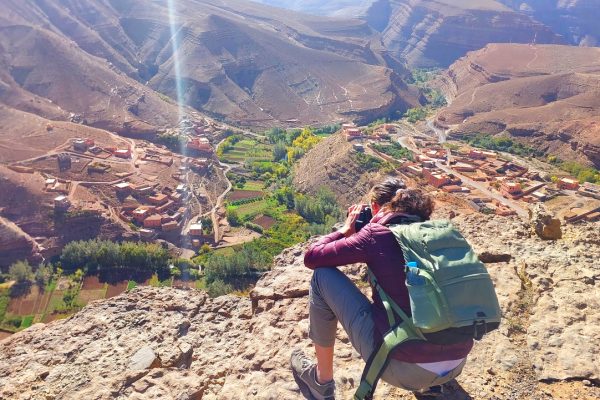
Morocco Photography Tour
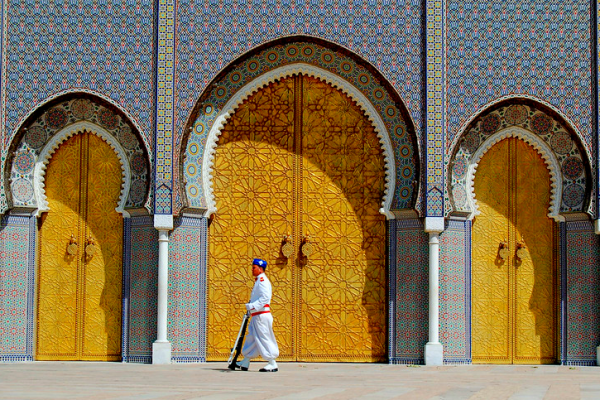
Morocco Signature Tour
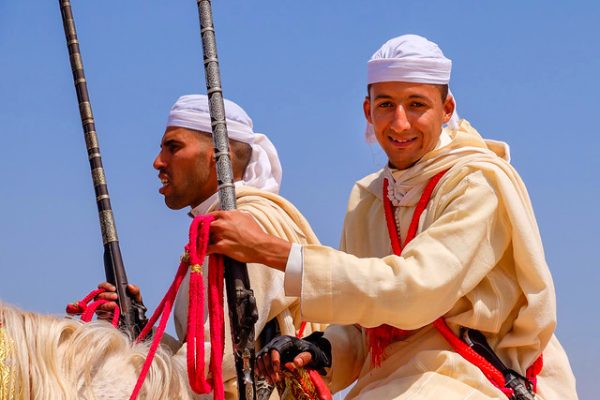
Morocco Imperial Cities Tour
Morocco Grand Tour

Is Morocco Safe for Solo Women? Your Guide

Morocco Itinerary Guide: 7, 10, and 14 Days
Is Morocco Safe for Tourists? Your Guide
Morocco Travel Tips for First Time Visitors

How Many Days Do You Need in Morocco

What to Know Before Visiting Morocco

10 Mistakes Travelers Make in Morocco

Morocco Travel Agency: Plan Your Luxury Tour

Morocco Visa Guide: Requirements and How to Apply
