
Morocco Train Guide: Routes, Tickets, and Tips
Highlights
- Morocco’s high-speed Al Boraq train connects Tangier to Casablanca in just over two hours, making it Africa’s first such service.
- The standard network connects major northern cities, but travelers must use buses or taxis for the south, as trains do not reach destinations like Agadir or Merzouga.
- Booking tickets early and opting for first class on longer journeys enhance comfort and savings during travel.
Morocco’s rail network, operated by ONCF (Office National des Chemins de Fer), is the most reliable way to travel between the country’s major northern cities. The Al Boraq high-speed train connects Tangier to Casablanca in about 2 hours and 10 minutes, making it Africa’s first high-speed rail service. Standard Al Atlas trains cover the remaining corridors at comfortable speeds with frequent daily departures. This Morocco train guide covers every route, ticket strategy, and comfort tip you need to plan a smooth 2026 trip.
What are the key train routes in Morocco?
Morocco’s rail network covers the northern and central corridors well. The ONCF network connects Casablanca, Rabat, Tangier, Fes, and Marrakech, but it does not reach southern destinations like Agadir or Merzouga. That geographic limit shapes how you plan your trip.

Al Boraq: the high-speed option
The Al Boraq train runs between Tangier and Casablanca at speeds up to 320 km/h. It completes the journey in about 2 hours and 10 minutes, cutting the old travel time by more than half. Departures run multiple times daily, and the train stops at Kenitra and Casablanca Mohammed V Airport. Travelers connecting from Europe via Tangier Med ferry port find this route especially practical.
Al Atlas: the standard network
Al Atlas trains handle the remaining routes, including Casablanca to Marrakech, Casablanca to Fes, and the busy Rabat to Casablanca commuter corridor. The Casablanca to Marrakech journey takes roughly 3 hours. Casablanca to Fes runs about 4 hours and 45 minutes. These trains run frequently throughout the day, with early morning and late afternoon departures filling up fastest.
| Route | Train Type | Approx. Travel Time | Frequency |
|---|---|---|---|
| Tangier to Casablanca | Al Boraq (high-speed) | 2h 10m | Multiple daily |
| Casablanca to Marrakech | Al Atlas (standard) | ~3h | Multiple daily |
| Casablanca to Fes | Al Atlas (standard) | ~4h 45m | Multiple daily |
| Rabat to Casablanca | Al Atlas (standard) | ~1h | Very frequent |
Key routes at a glance:
- Tangier to Casablanca: fastest and most modern, ideal for travelers arriving from Spain
- Casablanca to Marrakech: the most popular tourist corridor; book early
- Casablanca to Fes: great for imperial city touring, scenic countryside views
- Rabat to Casablanca: short hop, trains run almost every 30 minutes
- No rail service south of Marrakech: Agadir, Merzouga, and the Sahara require buses, taxis, or private transport
How do you book Morocco train tickets and save money?
Ticket pricing on ONCF trains is dynamic. Buying early can save 20–40% compared to last-minute fares. That gap widens during holidays and peak summer months, when trains sell out days in advance.
Booking methods
The official ONCF website sells tickets online, but international credit cards sometimes fail at checkout. A workaround is to use a Visa or Mastercard with 3D Secure enabled or try a different browser. Third-party booking platforms that specialize in Moroccan rail often handle international payments more reliably and display schedules in English. You can also buy tickets at any ONCF station counter or from self-service kiosks, which accept cash and local cards.
When to book for the best price
- Book 7–14 days ahead. Early booking discounts of 15–25% apply to most routes, and over 40% of passengers now book digitally to lock in lower pricing tiers.
- Travel in shoulder seasons. April through May and September through October offer up to 30% lower fares than peak summer, plus more comfortable temperatures.
- Avoid booking on the day of travel. Same-day tickets cost the most and may not be available on popular routes.
- Check for loyalty discounts. ONCF’s Hissab Fidawi loyalty program rewards frequent travelers with points redeemable for fare reductions.
- Travel midweek when possible. Friday and Sunday trains fill quickly with domestic travelers, pushing prices up.
First class vs. second class
First-class tickets cost about 30% more than second class but deliver reserved seats, quieter coaches, and more reliable air conditioning. On a 3-hour ride to Marrakech in July or August, that premium is worth it. Second class works well for short hops like Rabat to Casablanca, where the journey is under an hour.
Pro Tip: Book first class for any journey over 2 hours during summer. The air conditioning in second-class cars can be inconsistent, and the temperature difference between classes on a hot afternoon is significant.
What should you know about the on-board experience?
Station navigation in Morocco is straightforward once you know the main hubs. Casablanca Voyageurs is the central interchange point for most routes. Marrakech station sits right at the edge of the medina, making it one of the most convenient arrivals in the country. Fes and Tangier stations are both well-signed and easy to navigate with luggage.
Luggage and boarding
ONCF does not enforce strict luggage weight limits on most services, but overhead racks fill quickly on busy trains. Arrive at the platform at least 15 minutes before departure. Porters are available at major stations if you need help, and a small tip is standard practice.
Onboard amenities
Al Boraq trains include air-conditioned coaches, a café car, and power outlets at seats. Al Atlas trains vary more by age of rolling stock. Most have air conditioning, but the effectiveness differs by car and season. Snack vendors board at major stops on longer Al Atlas routes, selling sandwiches, juice, and coffee. Bring water for any journey over 2 hours.
Key tips for a smooth ride:
- Validate your ticket before boarding at stations with gate barriers
- Keep your ticket accessible throughout the journey; inspectors check regularly
- Store valuables in your lap or front bag, not in overhead racks
- Moroccan train safety is among the highest in Africa, but petty theft is possible in crowded stations
Pro Tip: On Al Atlas trains, choose seats on the shaded side of the car relative to the afternoon sun. Westbound afternoon trains are cooler on the right-hand side. Ask station staff which side faces away from the sun for your specific departure time.
Planning connections to Casablanca airport
Plan at least 3 hours between your train arrival and an international flight from Casablanca Mohammed V Airport. Trains experience occasional delays of 15–30 minutes, and the shuttle transfer from the main station to the airport terminal adds time. Missing a flight because of a tight connection is one of the most common mistakes travelers make in Morocco. Build in the buffer.
How does train travel fit into Morocco’s broader transport options?
Trains are the best choice for the northern corridor, but Morocco’s geography means you will need other transport for a complete trip. The integrated transport system pairs trains with buses, taxis, car rentals, and domestic flights to cover the whole country.
| Transport Mode | Best For | Limitations |
|---|---|---|
| ONCF Train | Casablanca, Rabat, Fes, Tangier, Marrakech | No service south of Marrakech |
| CTM / Supratours Bus | Agadir, Ouarzazate, Merzouga, Chefchaouen | Slower and less comfortable on long hauls |
| Grand Taxi | Intercity short hops, flexible timing | Shared rides, departs when full |
| Petit Taxi | City center trips | City limits only |
| Car Rental | Atlas Mountains, rural areas, self-drive | Traffic in cities, parking challenges |
| Domestic Flight | Tight schedules, Agadir or Dakhla | Cost, airport transfer time |
Buses for southern and mountain regions
CTM and Supratours are the two main long-distance bus operators. Supratours has a formal partnership with ONCF, so you can buy a combined train and bus ticket for routes like Marrakech to Agadir. This integration makes it easy to reach the south without renting a car. CTM covers a wider network and is reliable for overnight routes to cities like Fes from Agadir.
Taxis for flexibility
Grand taxis are shared intercity vehicles, usually old Mercedes sedans, that depart when they have a full load of passengers. They are faster than buses on short routes and cost less than private transfers. Petit taxis handle city trips and are metered in most major cities. For first-time visitors to Morocco, grand taxis can feel confusing at first. Agree on the fare before you get in.
Private tours for the Sahara and Atlas
No train reaches Merzouga or the Sahara desert. A private desert tour from Marrakech or Fes covers the Atlas Mountains and Sahara in a way that no public transport can match. Moroccotours specializes in exactly this type of itinerary, combining train-accessible city arrivals with private guided transport into the desert.
Key Takeaways
Train travel in Morocco works best on the northern corridor, where ONCF and Al Boraq connect major cities efficiently, but the full country requires combining trains with buses, taxis, or private tours.
| Point | Details |
|---|---|
| Book early for savings | Purchasing tickets 7–14 days ahead saves 15–40% on most routes. |
| Al Boraq for speed | The high-speed train cuts Tangier to Casablanca to just over 2 hours. |
| First class for long rides | First class costs about 30% more but delivers reliable comfort on journeys over 2 hours. |
| Plan airport connections carefully | Allow at least 3 hours between train arrival and international flights at Casablanca. |
| Trains don’t cover the south | Agadir, Merzouga, and the Sahara require buses, taxis, or private transport. |
What I’ve learned from years of Morocco rail travel
Most travelers underestimate how much the booking window matters. I have watched people pay nearly double for the same seat simply because they waited until two days before departure during Eid or the summer school holidays. The ONCF pricing model rewards early planners, and the difference between booking two weeks out versus the day before is not marginal.
The other thing most guides skip is the seat selection detail on Al Atlas trains. Choosing a “Climatisé” compartment is not enough on its own. The car’s position in the train and which side faces the afternoon sun genuinely change your comfort level on a 4-hour ride in August. I always check the direction of travel and pick accordingly. It sounds like a small thing until you are sitting in direct sun for three hours with inconsistent air conditioning.
My strongest advice for building a Morocco itinerary is to use trains for what they do well and stop trying to force them into the rest of the trip. Casablanca to Fes, Fes to Tangier, Casablanca to Marrakech: these are the train routes. Everything south of Marrakech belongs to a different kind of travel. Pair a Supratours bus or a private guided tour with your rail legs, and the whole trip becomes more logical and less stressful. The best time to visit Morocco for train travel is April through May or September through October, when fares are lower and the heat is manageable in second class.
Train travel in Morocco is genuinely one of the more pleasant ways to move between cities on the continent. The scenery between Fes and Casablanca alone is worth the ticket price.
— MoroccoTours.co
MoroccoTours.co: private tours that start where the train ends
The ONCF network gets you to Morocco’s great cities. What happens next is with Moroccotours.co comes in. The team at Moroccotours builds luxury private Morocco tours that connect directly with major train hubs in Casablanca, Marrakech, and Fes. From there, expert local guides take you into the Atlas Mountains, the Sahara, and the imperial medinas at a pace and depth that no public transport can offer. Every itinerary is tailored to your schedule, your interests, and your travel style. For 2026, Moroccotours has curated packages that pair seamlessly with the Al Boraq and Al Atlas rail corridors, so your train arrival is the start of something much bigger.
FAQ
What is the Al Boraq train in Morocco?
Al Boraq is Africa’s first high-speed train, operated by ONCF, connecting Tangier and Casablanca in about 2 hours and 10 minutes at speeds up to 320 km/h.
How far in advance should I book Morocco train tickets?
Book 7–14 days ahead to access the best fares. Early booking can save 15–40% compared to purchasing tickets on the day of travel.
Does the Morocco rail network reach Agadir or the Sahara?
No. ONCF trains do not serve Agadir, Merzouga, or any southern desert region. CTM and Supratours buses, grand taxis, and private tours cover those areas.
Is first class worth it on Moroccan trains?
First class costs about 30% more than second class and offers reserved seats, quieter coaches, and more reliable air conditioning. For journeys over 2 hours, especially in summer, the upgrade is worth it.
How much time should I allow between a train and a flight from Casablanca?
Allow at least 3 hours between your train arrival and an international flight. Trains can run 15–30 minutes late, and the airport shuttle transfer adds additional time.
Itinerary Expand all Collapse all
Included
Price
Related Tours
Morocco Desert Tour
Northern Morocco Tour
Morocco Family Tour
Morocco Spain Tour
Morocco Trekking Tour
Morocco Highlights Tour
Morocco Group Tour
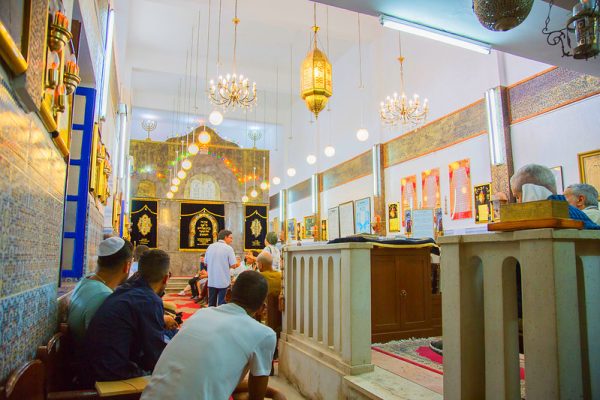
Morocco Jewish Tour

Morocco Honeymoon Tour
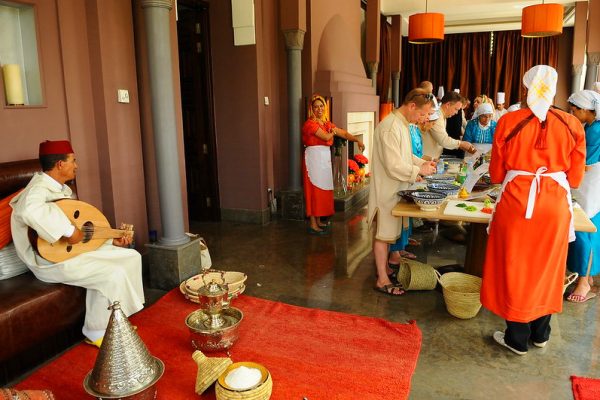
Morocco Food Tour

Morocco Golf Tour
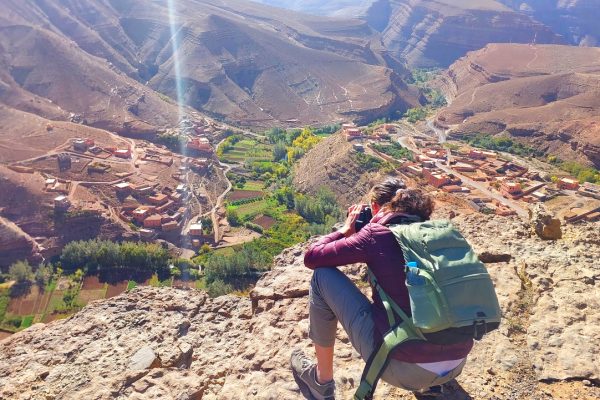
Morocco Photography Tour
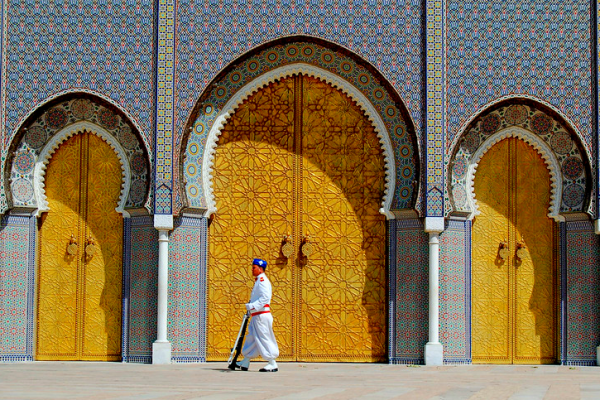
Morocco Signature Tour
Morocco Imperial Cities Tour
Morocco Grand Tour

Is Morocco Safe for Solo Women? Your Guide

Morocco Itinerary Guide: 7, 10, and 14 Days
Is Morocco Safe for Tourists? Your Guide
Morocco Travel Tips for First Time Visitors

How Many Days Do You Need in Morocco

What to Know Before Visiting Morocco

10 Mistakes Travelers Make in Morocco

Morocco Travel Agency: Plan Your Luxury Tour

Morocco Visa Guide: Requirements and How to Apply

Morocco for Seniors: A Comfort-First Travel Guide

Luxury Morocco Travel: The Guide for Discerning Travelers
