
Morocco Packing List: What to Pack for Every Region
Highlights
Your Morocco packing list should cover five core categories: modest clothing, comfortable footwear, sun protection, a universal scarf, travel documents, and health essentials. Get those right, and everything else is detail.
Here’s what belongs in your bag before you board:
- Lightweight, modest tops and trousers (linen or cotton)
- A versatile scarf or pashmina (the single most useful item you’ll carry)
- Comfortable closed-toe walking shoes
- Sandals or flip-flops for riads and beaches
- Sunscreen with high SPF protection
- Passport, visa info, and printed confirmations
- Travel adapter (Type C/E/F, 220V)
- Power bank
- Hand sanitizer and tissues
- Moroccan dirhams in small denominations
- Basic first-aid kit with oral rehydration salts
Morocco rewards travelers who pack with intention. The country spans medinas, mountain trails, Atlantic beaches, and Sahara dunes, so what you bring needs to work across all of it.
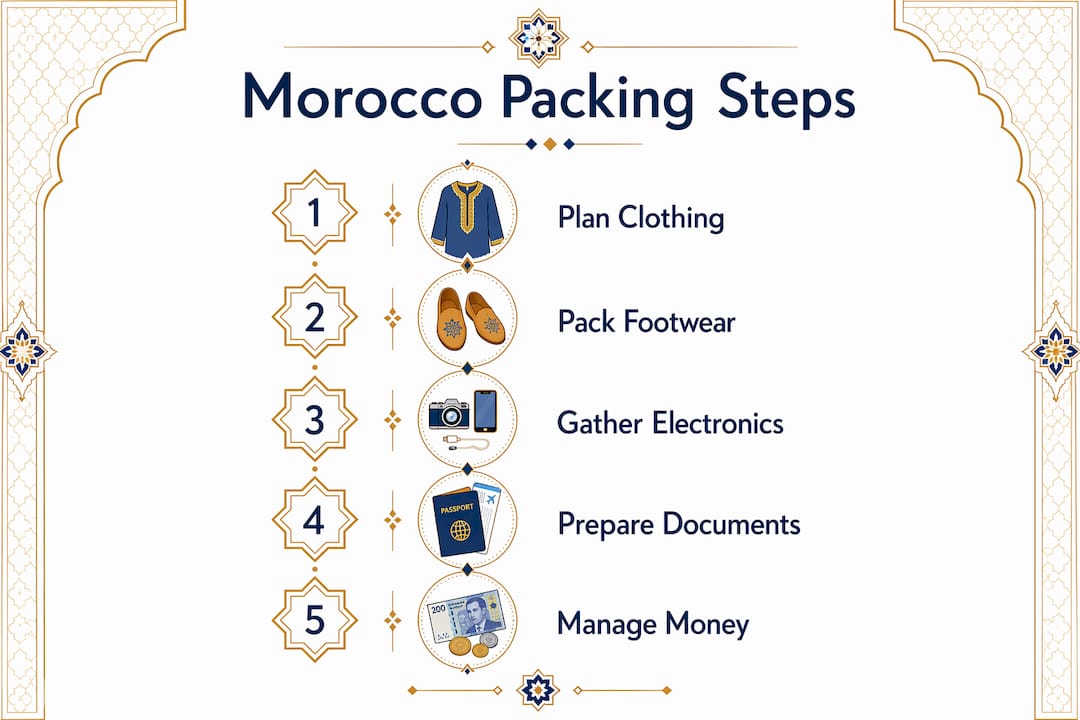
What to wear in Morocco: clothing for culture and climate
Clothing is where most travelers either get Morocco right or get it wrong. The country has real dress expectations, and they vary by location. A beach town like Agadir is relaxed. The medinas of Fes and Marrakech are not.
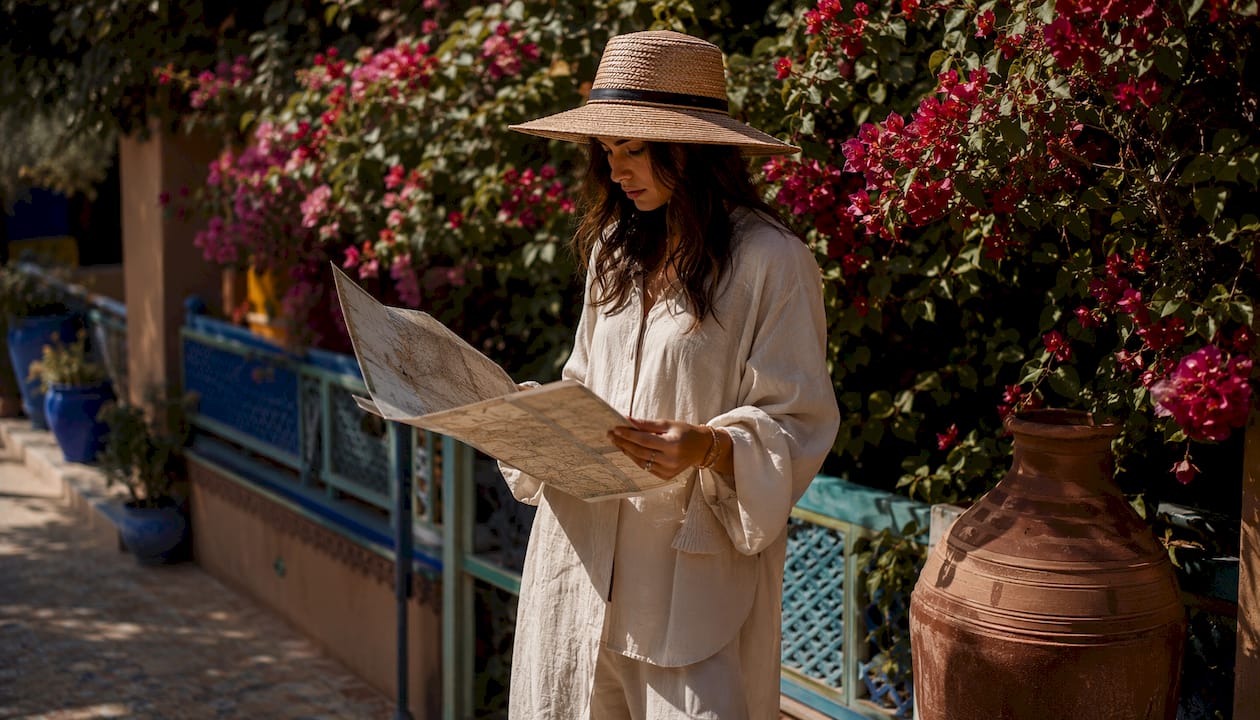
The cultural dress code
Covering shoulders and knees is required at religious sites, and modest dress reduces unwanted attention in most cities and towns. That applies to both men and women. Rural areas are stricter than cities, and bars or nightclubs are far more permissive. The practical rule: when in doubt, cover up.
Women’s clothing list:
- 2–3 lightweight long-sleeved tops (linen or cotton)
- 1–2 short-sleeved tops for evenings and beach areas
- 1 maxi skirt or midi skirt (versatile for medinas and hammams)
- 2 pairs of lightweight trousers or convertible zip-off pants
- 1 lightweight cardigan or thin jacket for cool evenings
- 1 versatile scarf or pashmina (more on this below)
- Swimsuit for riads with pools and beach destinations
- 1 smart-casual outfit for nicer restaurants
Men’s clothing list:
- 2–3 lightweight shirts, collared or otherwise
- 2 pairs of lightweight trousers for mosques and conservative areas
- 1 pair of shorts (fine at the beach, less appropriate in medinas)
- 1 light jacket or fleece for evenings
- Swimwear
Seasonal adjustments
Summer in Morocco, particularly June through September, is brutal in the south. Marrakech and the Sahara region can get very hot in summer, so denim is a bad idea. It’s too heavy, too slow to dry, and traps heat. Stick to linen, cotton, or technical travel fabrics.
Winter tells a different story. Coastal cities like Marrakech stay mild at 15–20°C during the day, but the Atlas Mountains get snow, and Sahara nights drop well below freezing. A layering system matters more in December through February than any other time of year.
Spring and fall are the sweet spots: pack a mix of light clothing, one or two warm layers, and a packable rain jacket for the occasional shower.
Footwear for every terrain
Footwear is one area where travelers consistently underpack. The terrain in Morocco is uneven, steep in places, and punishing on the wrong shoes.
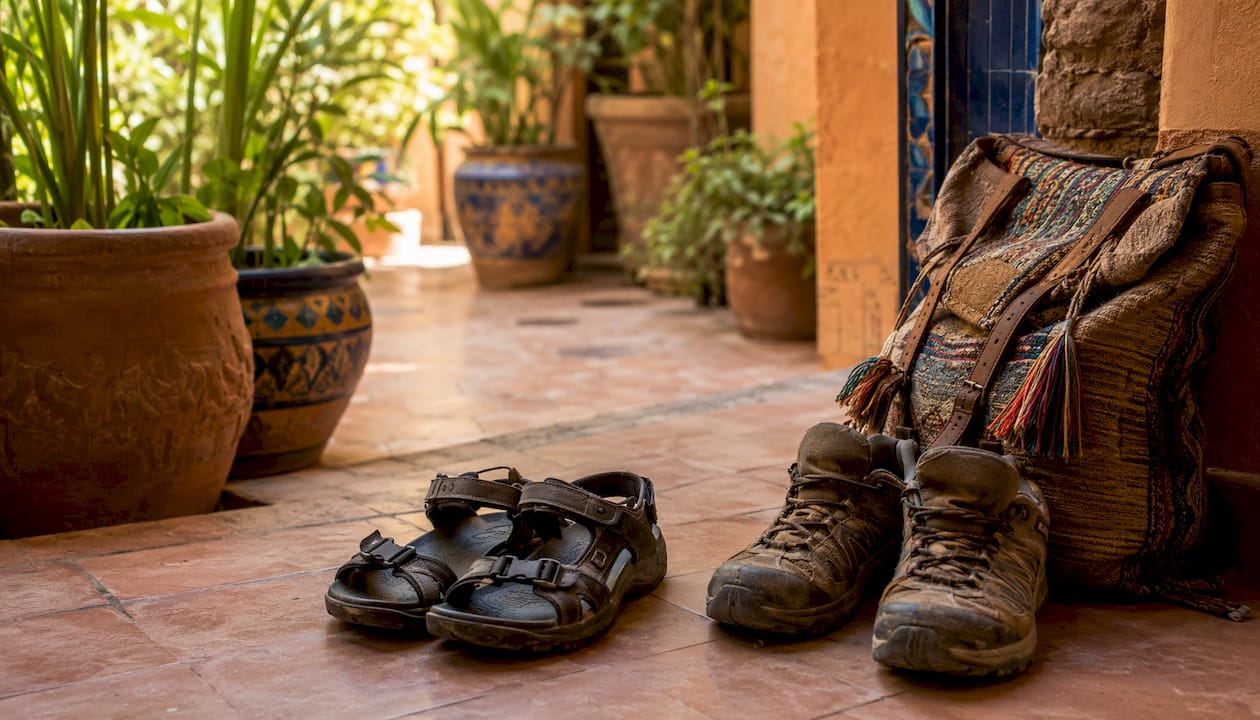
- Medinas: Closed-toe walking shoes with real grip. You’ll cover significant distances on a busy day in Fes or Marrakech, on surfaces that are uneven and often steep. Flat sandals are uncomfortable, and flip-flops are worse.
- Atlas Mountains: Proper hiking boots or trail shoes with ankle support for anything beyond a gentle valley walk. The Toubkal approach and paths around Imlil need real grip. Multi-day ascents to Toubkal (4,167m) require proper boots.
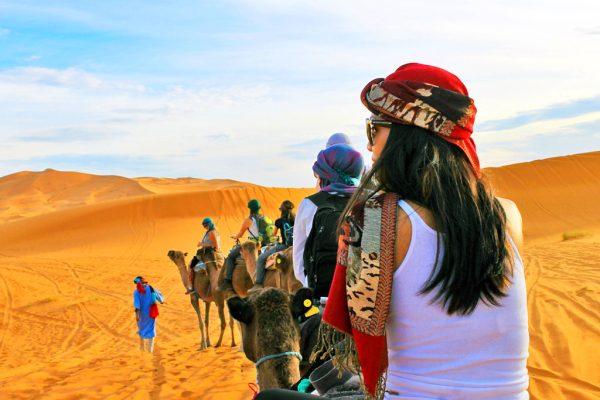
- Sahara: Closed shoes that keep sand out during dune walks and camel rides. Flip-flops for relaxing at camp.
- Beaches and resorts: Sandals and flip-flops are entirely appropriate in Agadir, Essaouira, and Taghazout.
Pro Tip: Pack a pair of quick-dry sandals that double as riad footwear and beach shoes. You’ll use them more than you expect.
Electronics, health, documents, and luggage essentials
Electronics and power
Morocco uses Type C, E, and F plugs at 220V/50Hz, the standard European two-round-pin format. If you’re traveling from the US or Canada, bring a US-to-EU adapter and check that your device chargers support 100–240V input. Most modern phone and laptop chargers do, but verify the label before you pack.
| Item | Why it matters |
|---|---|
| Travel adapter (Type C/E/F) | Required for US plugs; 220V standard |
| Power bank | Long desert drives and day trips without charging access |
| Phone with offline maps | Download Google Maps Morocco before departure |
| Charging cables | Bring backups; replacements are harder to find in rural areas |
| Earphones | Medina noise, bus rides, and desert evenings |
A phone lanyard or neck strap is worth adding to this list. Medinas are crowded and chaotic, and keeping your phone on a lanyard reduces the risk of dropping it while navigating or taking photos.
Health and hygiene
Public toilets in Morocco often lack paper, so carrying tissues and hand sanitizer is a basic necessity, not a luxury. Beyond that, a small first-aid kit covers most situations you’ll encounter.
- Hand sanitizer and tissues (non-negotiable)
- Sunscreen with high SPF protection (bring from home; it’s harder to source and more expensive locally)
- Insect repellent for warm months, especially near garden riads and water
- Lip balm with SPF (desert air dries lips fast)
- Basic pain relief: paracetamol and ibuprofen
- Oral rehydration salts and loperamide for traveler’s diarrhea
- Antacids (Moroccan spices can be intense on an unaccustomed stomach)
- Antihistamines
- Blister plasters for medina walking days
- Altitude medication (Diamox, prescription required) if you’re trekking Toubkal
- Reusable water bottle with a filter (LifeStraw or GRAYL work well; tap water is not safe to drink)
Documents and luggage
Carry your passport valid for at least six months beyond your travel dates. US, UK, EU, Canadian, and Australian citizens receive a 90-day stamp on arrival and do not need a visa in advance. Print your hotel and riad confirmations. If your phone dies at border control, a paper backup saves real headaches.
For luggage, a small wheeled suitcase paired with a day bag works well for most Morocco itineraries. The day bag should have secure zips. A crossbody bag or small backpack keeps valuables close in souks and medinas. A foldable tote bag takes up almost no space and earns its keep for market purchases.
Pro Tip: Use TSA-approved luggage locks on your suitcase and a money belt or neck wallet under your clothing for passports and backup cash. Medinas are lively places, and a little prevention goes a long way.
Packing cubes are worth the investment for a Morocco trip. The country’s varied itinerary means you’ll be moving between cities, mountains, and desert camps, and cubes let you find things without unpacking everything at each stop.
How to handle money in Morocco
The Moroccan dirham is a closed currency. You cannot buy it outside the country, which means you arrive without local cash unless you plan ahead. The solution is straightforward: use ATMs inside Morocco on arrival. Most airports and city centers have them.
Cards are accepted in hotels, upscale restaurants, and larger shops in cities. But Morocco’s economy remains heavily cash-oriented, especially in souks and rural areas and for everyday transactions like taxis, tips, and small purchases. Relying on cards alone will leave you stuck.
Key money tips:
- Withdraw dirhams from ATMs on arrival rather than exchanging currency at home
- Carry a mix of low-denomination bills and coins for taxis, tips, and souk purchases
- Keep a money belt or neck wallet for larger amounts and backup cards
- Notify your bank before travel to avoid fraud blocks on your card
- Budget around 500–700 DH per day for comfortable independent travel, covering accommodation, food, local transport, and activities
Pro Tip: Break larger bills at a hotel or supermarket early in your trip. Taxi drivers and small vendors rarely have change for 200 DH notes, and it creates friction on otherwise simple transactions.
The dirham situation catches a surprising number of travelers off guard. Plan for it before you land, and you’ll never be scrambling for cash at an inconvenient moment.
Ready to plan your Morocco trip?
A well-packed bag sets the tone for everything that follows. If you want the rest of the trip handled with the same level of care, Moroccotours builds private luxury Morocco tours tailored to your itinerary, from imperial city stays to Sahara Desert camps. Every detail, from guides to accommodations, is arranged before you arrive.
Key Takeaways
Packing for Morocco means balancing cultural respect, climate versatility, and practical security across medinas, mountains, and desert terrain.
| Point | Details |
|---|---|
| Modest clothing is non-optional | Cover shoulders and knees for religious sites and most cities; maxi skirts and scarves adapt quickly. |
| Footwear must match the terrain | Closed-toe shoes for medinas, hiking boots for Atlas trails, and sandals for beaches and riads. |
| Dirhams cannot be bought abroad | Withdraw cash from ATMs on arrival; carry low-denomination bills for daily transactions. |
| A universal scarf earns its place | One pashmina covers sun protection, mosque entry, Sahara dust, and cold altitude evenings. |
| Health kit basics prevent real problems | Oral rehydration salts, blister plasters, and tissues address the most common Morocco travel issues. |
FAQ
What can I not bring into Morocco?
Avoid bringing large quantities of medication without a prescription, drones without prior authorization, and anything that could be interpreted as political material. Alcohol is restricted to personal consumption quantities.
What should a woman wear when visiting Morocco?
Women should pack lightweight, modest clothing that covers shoulders and knees for medinas and religious sites. A versatile scarf is the most practical single item, covering modesty requirements, sun protection, and cold evenings in one piece.
What is frowned upon for tourists in Morocco?
Public displays of affection, photographing people without permission, and wearing revealing clothing in conservative areas are all considered disrespectful. Eating or drinking in public during Ramadan is also frowned upon.
Do I need cash in Morocco, or can I use a card?
You need both. Cards work in hotels and larger restaurants in cities, but the dirham is a closed currency, and cash remains the only option in souks, rural areas, and for taxis and tips. Withdraw dirhams from ATMs on arrival.
Itinerary Expand all Collapse all
Included
Price
Related Tours
Morocco Desert Tour
Northern Morocco Tour
Morocco Family Tour
Morocco Spain Tour
Morocco Trekking Tour
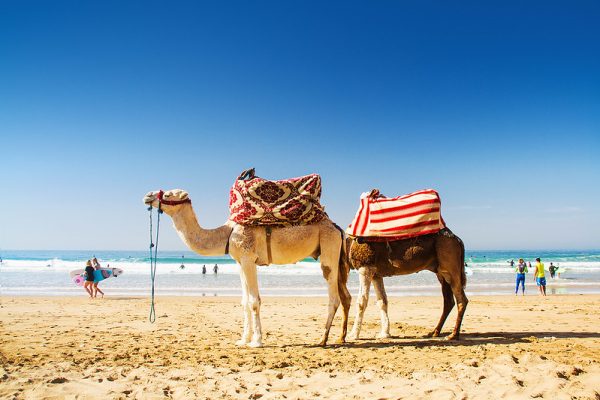
Morocco Highlights Tour
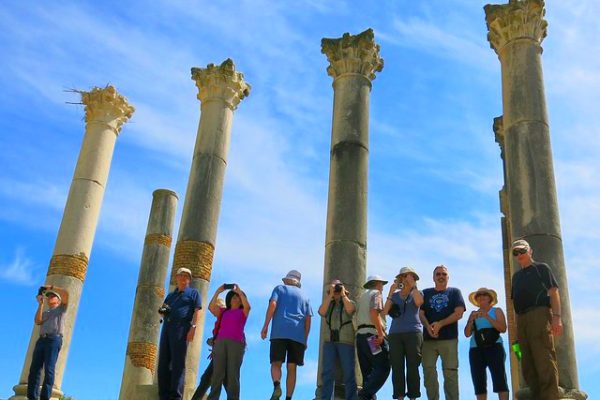
Morocco Group Tour
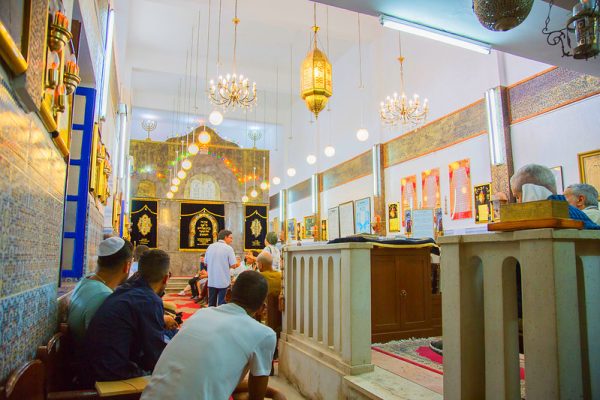
Morocco Jewish Tour
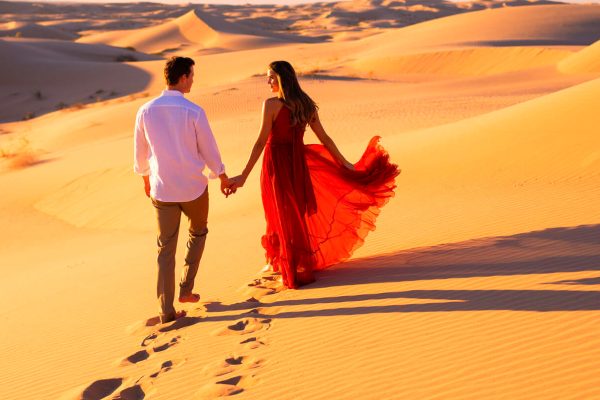
Morocco Honeymoon Tour
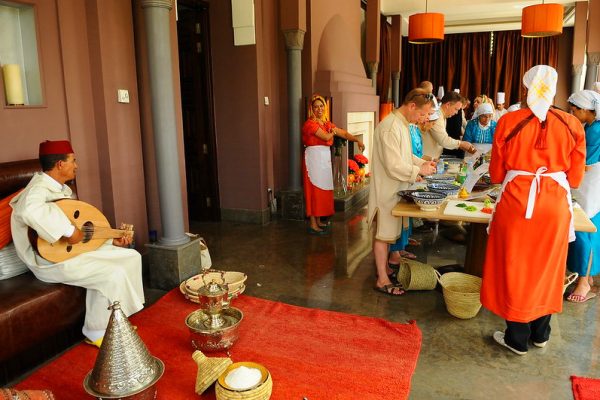
Morocco Food Tour
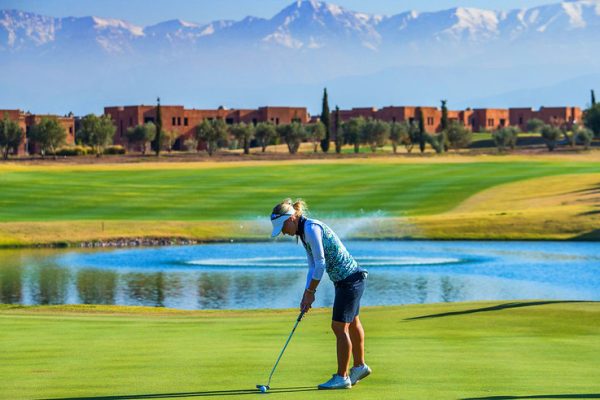
Morocco Golf Tour
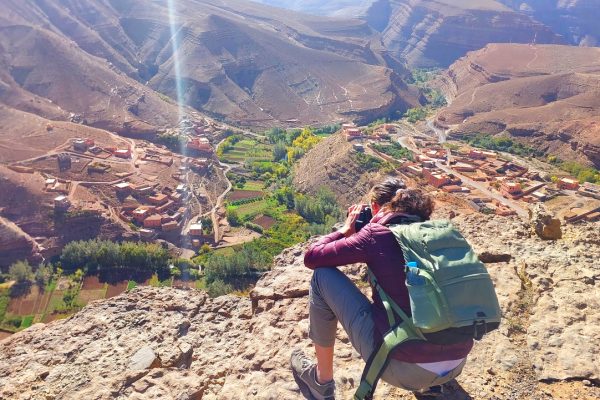
Morocco Photography Tour
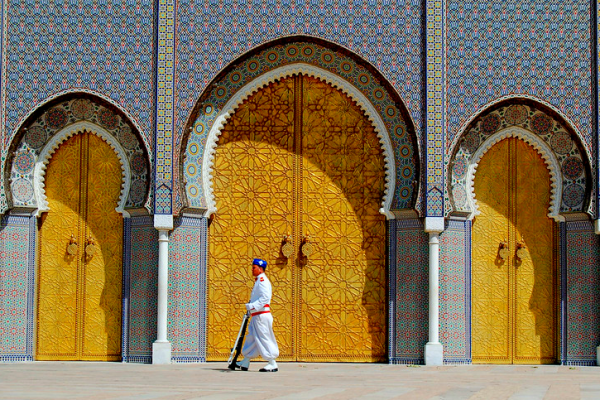
Morocco Signature Tour
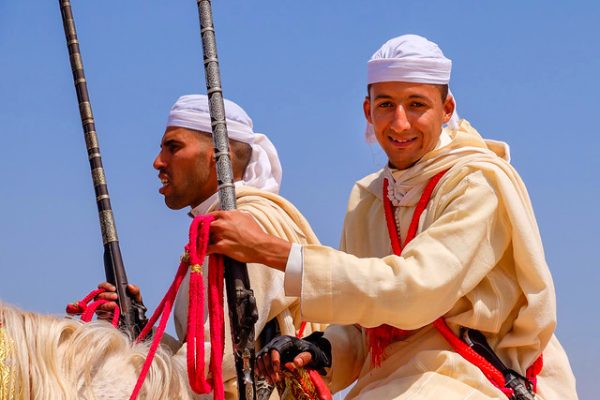
Morocco Imperial Cities Tour
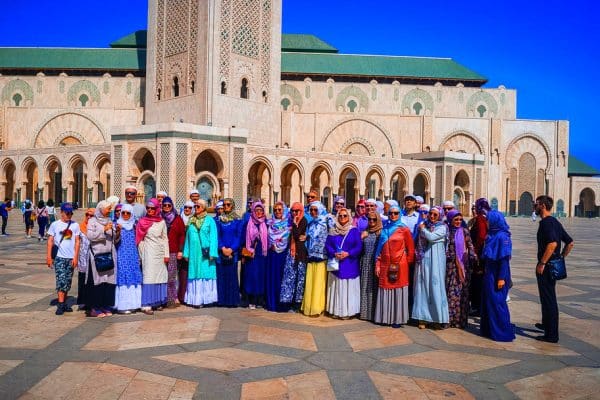
Morocco Grand Tour

Is Morocco Safe for Solo Women? Your Guide

Morocco Itinerary Guide: 7, 10, and 14 Days
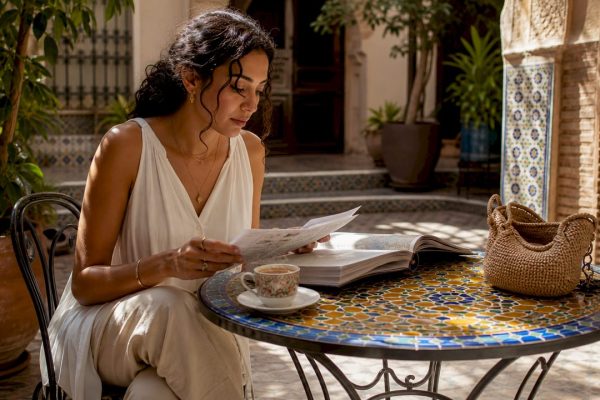
Is Morocco Safe for Tourists? Your Guide
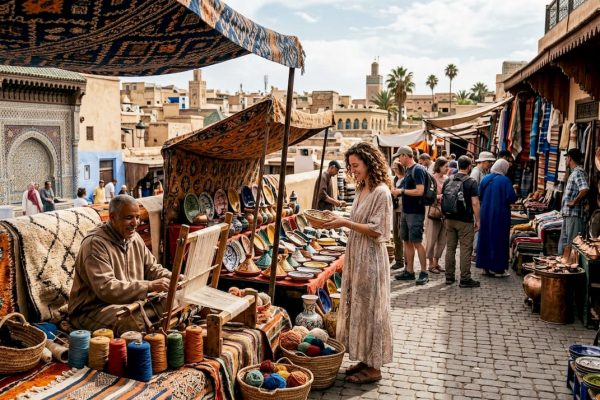
Morocco Travel Tips for First Time Visitors

How Many Days Do You Need in Morocco

What to Know Before Visiting Morocco

10 Mistakes Travelers Make in Morocco

Morocco Travel Agency: Plan Your Luxury Tour

Morocco Visa Guide: Requirements and How to Apply

Morocco for Seniors: A Comfort-First Travel Guide

Luxury Morocco Travel: The Guide for Discerning Travelers

Morocco Train Guide: Routes, Tickets, and Tips

Internet in Morocco: Your Connectivity Guide

Morocco Airport Guide: Arrive and Depart With Confidence

Morocco with Kids: The Family Travel Guide

Morocco Honeymoon Guide: Romantic Trips
