
What to Wear in Morocco: A Female Traveler’s Guide
Highlights
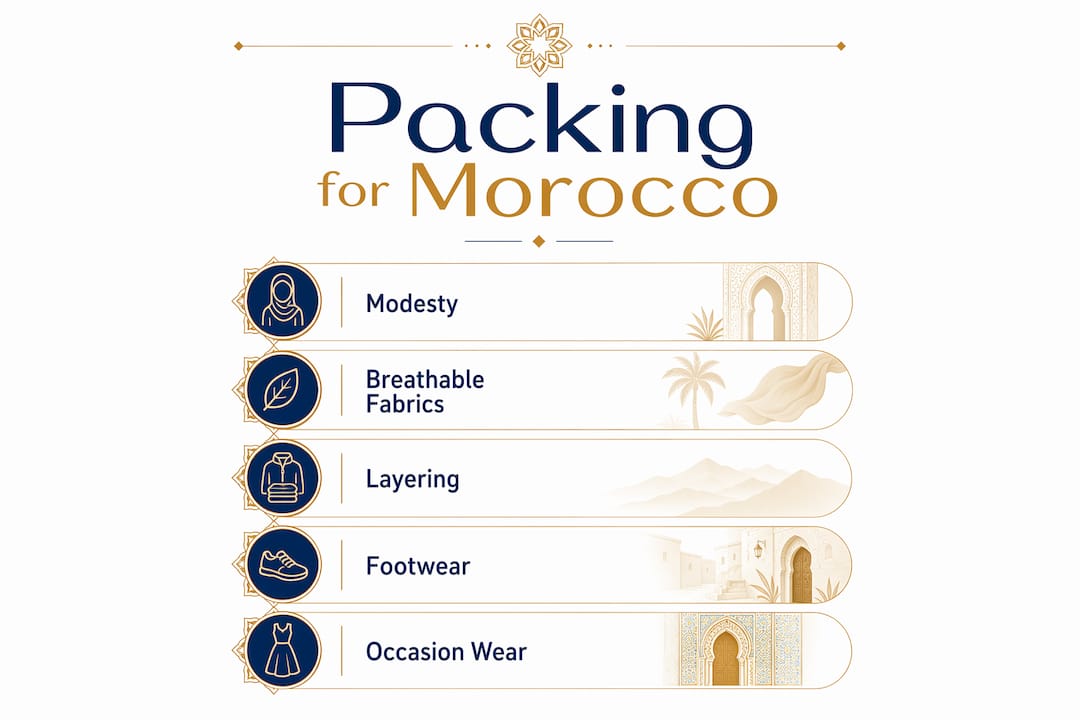
Pack loose, breathable clothing that covers shoulders and knees, and you will be comfortable and respected almost everywhere in Morocco. That single rule handles the medinas of Fes and Marrakech, Atlas mountain villages, and most of the country’s traditional spaces. The details below fill in the rest: what fabrics hold up in Morocco’s extreme heat, which shoes survive cobblestones, and how to shift from a desert camp to a rooftop dinner without repacking.
Quick packing checklist:
- 2–3 maxi skirts or loose linen trousers
- 3–4 breathable tops with at least short sleeves
- 1 lightweight cardigan or long-sleeve layer
- 1–2 scarves or pashminas
- Comfortable flat shoes with grip
- Sandals with straps for resorts and riads
- 1 warm layer for evenings (essential October through March)
- Swimsuit with a cover-up
Pro Tip: Linen and cotton are the clear winners for fabric. They breathe in 100°F heat, pack flat, and look polished enough for a riad dinner.
What to wear in Morocco as a female traveler
Modest dress in Morocco is not a legal requirement, but it shapes your experience in real ways. Women who cover shoulders and knees move through medinas with far less unsolicited attention. That is not a moral judgment; it is practical travel advice.
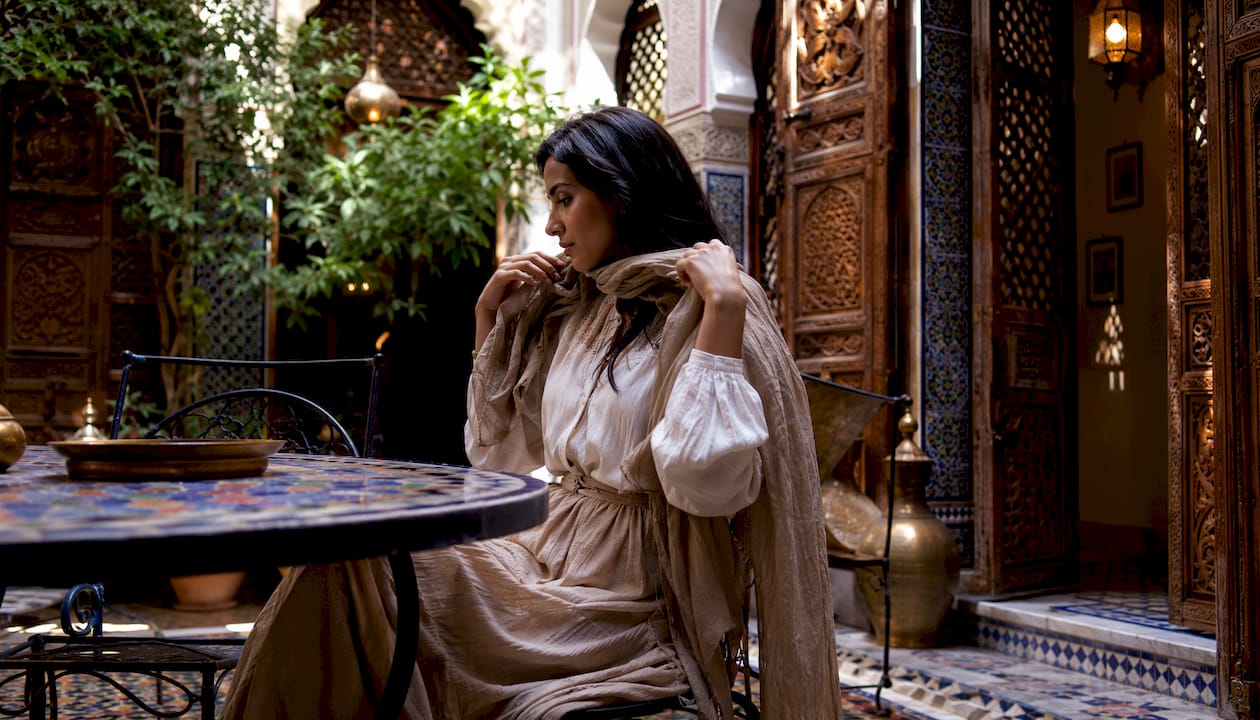
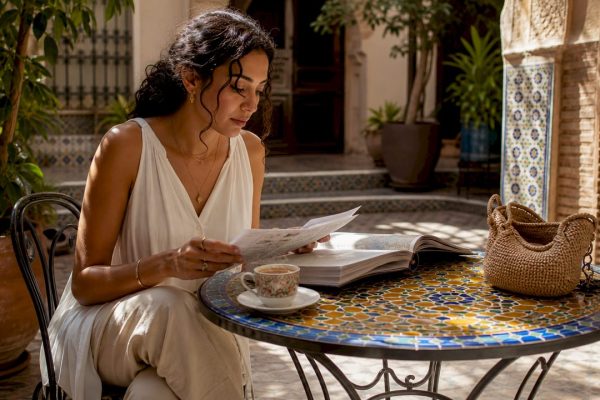
The baseline outfit that works everywhere: loose trousers or a maxi skirt, a top that covers the shoulders, and a scarf within reach. Maxi dresses with leggings underneath are particularly versatile because they photograph well, stay cool, and satisfy conservative norms without any extra thought.
Modesty expectations shift by location. Casablanca and Rabat are noticeably more relaxed than the ancient medinas of Fes or Chefchaouen. Rural Atlas villages tend to be more conservative. If you are traveling solo, dressing closer to the conservative end of that range reduces friction across every setting.
Clothing to avoid outside beach and resort areas:
- Crop tops, bikini tops, or anything that exposes the midriff
- Short shorts or micro-miniskirts
- Sleeveless tops and spaghetti-strap dresses (without a layer over them)
- Very tight or body-con silhouettes
- Deep V-necks in traditional neighborhoods
Pro Tip: During Ramadan, dress more conservatively than your usual baseline, especially in public spaces during daylight hours. The covered-shoulders-and-knees rule becomes the floor, not the ceiling.
How to layer for Morocco’s climate and temperature swings
Morocco’s daytime highs regularly exceed 100°F (38°C) in summer, while desert and mountain nights drop to 41–50°F (5–10°C). That gap between day and night temperatures is the single most important fact for packing. Travelers who ignore it may end up uncomfortable, either shivering or sweating.
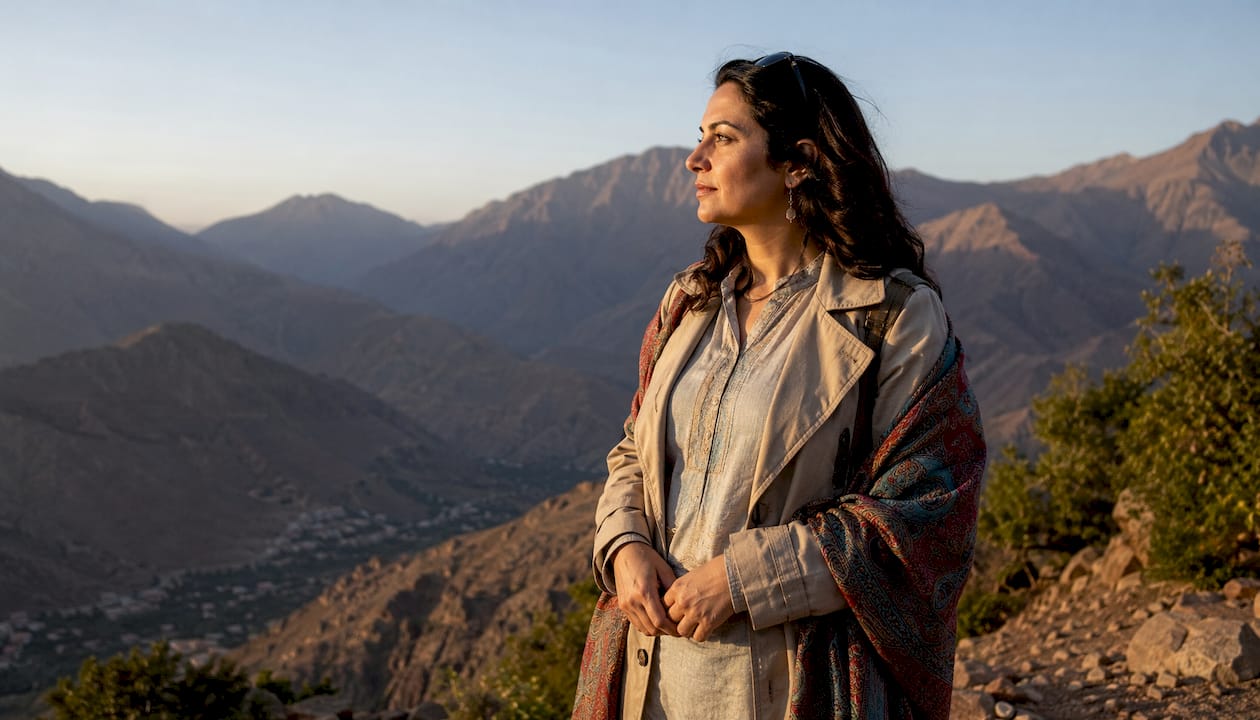
The solution is a three-layer system: a breathable linen or cotton base, a lightweight cardigan or long-sleeve shirt for the transition hours, and a packable fleece or light puffer for cold nights in the Atlas or the desert. Avoid denim and heavy synthetics entirely in summer; they trap heat and take forever to dry.
Layering combinations that work:
- Linen wide-leg trousers plus a loose cotton top plus a pashmina for evenings
- Maxi dress plus a cropped denim jacket for cooler medina mornings
- Long tunic over leggings, with a fleece tied around the waist for Atlas day trips
- Breathable long-sleeve shirt plus loose trousers for full Sahara sun coverage
Pro Tip: Counterintuitively, long loose sleeves in linen feel cooler than bare arms in direct desert sun. The fabric blocks UV and reduces moisture loss. Pack at least one long-sleeve linen top.
Check Moroccotours’s Morocco weather guide for month-by-month temperature breakdowns before you finalize your packing list.
Footwear that actually works in Morocco
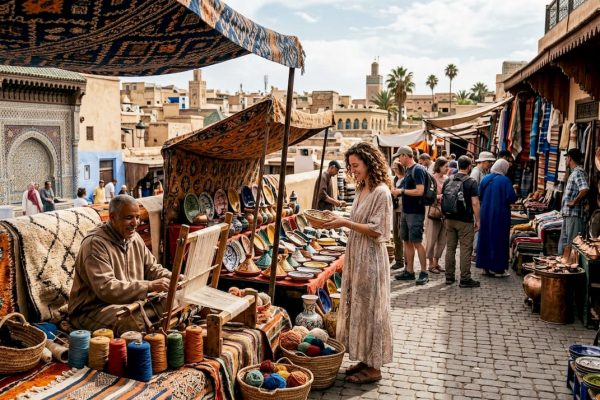
Heels are a mistake in any medina. The cobblestones are uneven, the alleys are narrow, and the surfaces range from dusty to wet tile. Leather slides or walking sandals with real grip are the practical choice for city days. For desert excursions, closed-toe shoes keep sand out and protect your feet on dune hikes.
Footwear by activity:
- Medinas and souks: Sturdy walking sneakers or leather sandals with grip; avoid anything slick-soled
- Desert camps and dune excursions: Closed-toe shoes or secure-strap sandals; new shoes are a blister risk on long walking days
- Atlas mountain trails: Light ankle boots with grip; trail sneakers also work
- Riads and beach resorts: Slip-on sandals or flat mules
- Rooftop dinners: Low block-heel sandals; flat sandals work just as well and are safer on uneven entrances
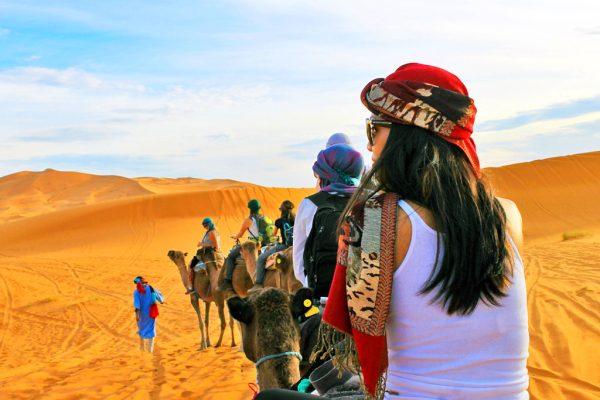
- Camel rides: Closed-toe shoes and long trousers, without exception
One reliable pair of walking shoes and one pair of sandals covers most itineraries. Bring a third option only if you are splitting time between mountain trekking and beach towns.
Swimwear and beachwear: where the rules change
Swimwear is appropriate at beach resorts, hotel pools, and designated swimming areas, and nowhere else. Walking through a town center or a market in a bikini top draws significant attention and is genuinely disrespectful outside those zones.
The fix is simple: carry a sarong, a linen shirt, or a beach dress and put it on the moment you leave the pool or beach. Agadir, Essaouira, and Taghazout all operate on beach-resort norms at the waterfront, but even a short walk into the adjacent town calls for a cover-up. The Essaouira medina is notably relaxed compared to Marrakech, but it is still a medina.
Beach packing additions:
- A sarong or lightweight beach dress for transitions
- A wide-brim straw hat for midday sun
- Flip-flops for the sand; closed shoes for the promenade
Dressing for cold weather and upscale occasions
Morocco’s colder contexts catch travelers off guard. Atlas Mountain guesthouses often have no central heating, and Sahara nights in January and February drop toward 32°F (0°C). A light puffer or fleece is not optional for those itineraries; it is the difference between a comfortable night and a miserable one.
For upscale settings, smart-casual is the standard: tailored dresses or coordinated linen sets for women, collared shirts and neat trousers for men. Luxury riads and fine-dining restaurants do not enforce a strict dress code, but polished outfits fit the atmosphere and feel more appropriate than very casual sightseeing clothes.
Versatile pieces for both cold and formal contexts:
- A pashmina or silk scarf (adds warmth and elegance simultaneously)
- A structured midi dress that layers over a long-sleeve top
- Wide-leg trousers in a neutral that reads as both travel and dinner-appropriate
- A packable blazer or longline cardigan for evenings at upscale venues
Colors and patterns: what to consider
Morocco has no cultural prohibition on specific colors for visitors, but a few practical points are worth knowing. Light neutrals like sand, beige, and ivory reflect heat and look natural against terracotta architecture. Dark colors absorb heat in summer and show dust less, which is a real trade-off in the Sahara.
Rich jewel tones and bold prints are genuinely at home in Morocco’s visual environment. A mustard maxi dress against Chefchaouen’s blue walls, or a printed set in Marrakech’s warm terracotta light, photographs beautifully and fits the local palette. The one thing to avoid is clothing with politically controversial graphics or imagery, which can create unnecessary friction anywhere in the country.
Patterns associated with the Israeli flag or politically charged slogans are best left at home. Beyond that, Morocco is a country that loves color and textiles, and your wardrobe can reflect that freely.
Plan your Morocco trip with MoroccoTours.co
The right outfit makes a real difference when you are moving between a Marrakech medina, a Sahara camp, and a luxury riad dinner in the same week. Moroccotours builds private luxury Morocco tours around exactly that kind of itinerary, with expert local guides who brief you on every cultural context before you arrive. From imperial city visits to desert adventures, every detail is handled so you can focus on the experience.
Key Takeaways
Covering shoulders and knees in loose, breathable fabrics is the single most effective clothing strategy for comfortable, respectful travel across Morocco’s diverse regions and climates.
| Point | Details |
|---|---|
| Modesty baseline | Cover shoulders and knees in medinas, rural areas, and religious sites to minimize unwanted attention. |
| Climate layering | Morocco’s temperature swings from above 100°F days to 41–50°F nights require a three-layer packing system. |
| Footwear priority | Choose sturdy walking shoes with grip for medinas and closed-toe shoes for desert excursions. |
| Swimwear limits | Swimwear is appropriate only at beach resorts and hotel pools, not in town or market areas. |
| Scarf as a tool | A lightweight scarf covers shoulders, blocks sun and dust, and adds warmth on cool evenings. |
FAQ
What is the dress code for women in Morocco?
There is no official dress code, but modest attire covering shoulders and knees is culturally expected in medinas, souks, rural areas, and religious sites. Loose, breathable clothing works best across all settings.
Do I need to cover my head in Morocco?
Non-Muslim visitors are not expected to wear a hijab. A scarf in your bag is useful for mosque visits and conservative areas, where head covering may be expected, but it is not required for general sightseeing.
What fabrics work best for Morocco’s heat?
Linen and cotton are the most practical choices. They breathe in extreme heat, dry quickly, and stay comfortable when worn in the loose, modest silhouettes that suit Moroccan cultural norms.
Can I wear shorts in Morocco?
Shorts are acceptable at beach resorts and in clearly tourist-heavy zones, but they attract attention in traditional medinas and rural areas. Knee-length or longer trousers are a better default for most of the country.
What should I pack for a Sahara desert stay?
Pack loose long-sleeve shirts and trousers for daytime sun protection, a fleece or light puffer for cold desert nights, closed-toe shoes for dune walks, and a scarf to block wind and sand.
Itinerary Expand all Collapse all
Included
Price
Related Tours
Morocco Desert Tour
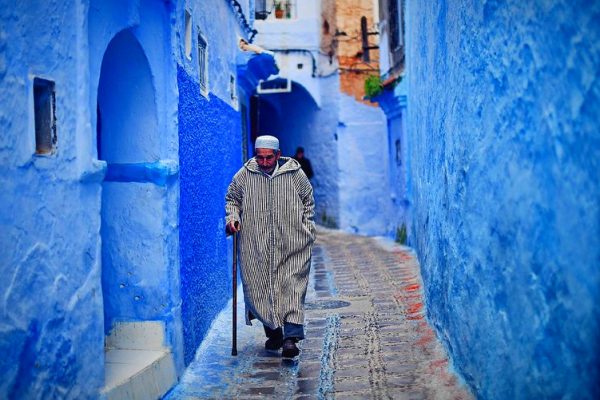
Northern Morocco Tour
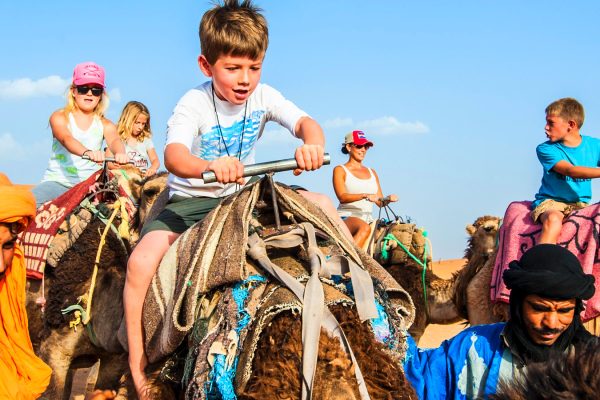
Morocco Family Tour
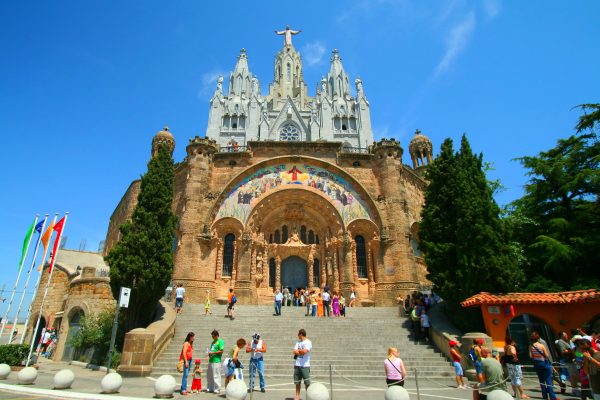
Morocco Spain Tour
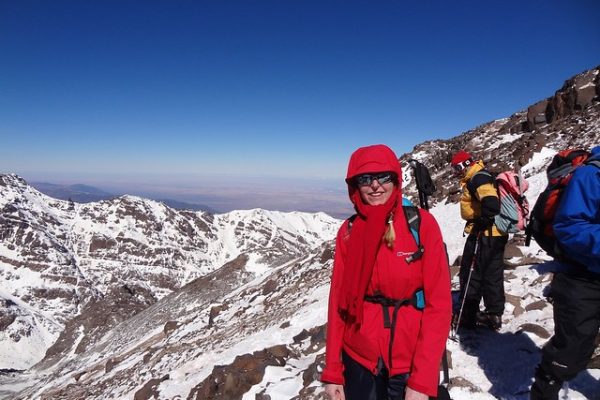
Morocco Trekking Tour
Morocco Highlights Tour
Morocco Group Tour
Morocco Jewish Tour
Morocco Honeymoon Tour
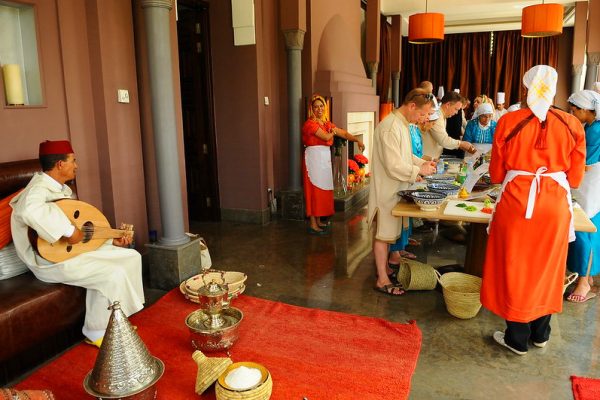
Morocco Food Tour
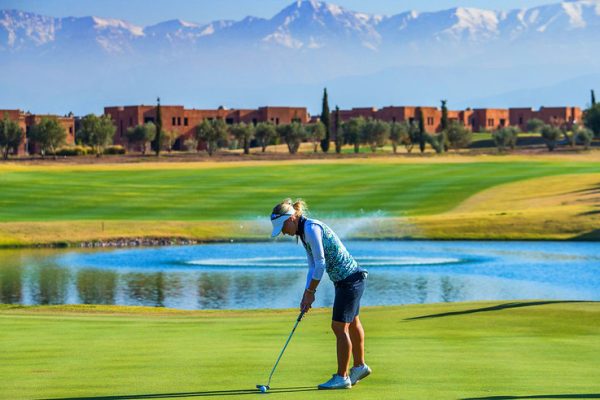
Morocco Golf Tour
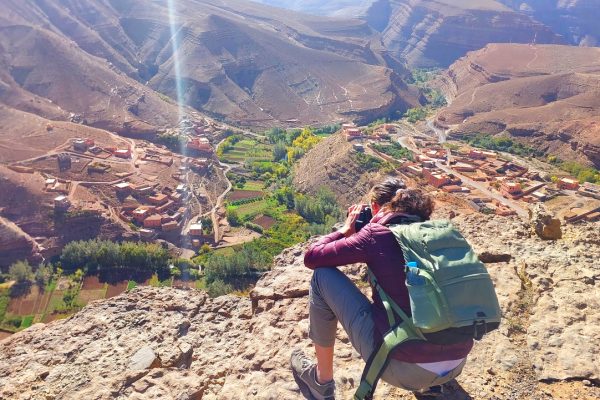
Morocco Photography Tour
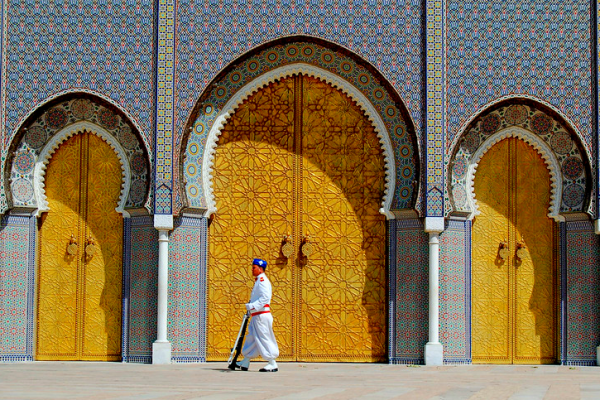
Morocco Signature Tour
Morocco Imperial Cities Tour
Morocco Grand Tour

Is Morocco Safe for Solo Women? Your Guide
Is Morocco Safe for Tourists? Your Guide
Morocco Travel Tips for First Time Visitors

How Many Days Do You Need in Morocco

What to Know Before Visiting Morocco

10 Mistakes Travelers Make in Morocco

Morocco Travel Agency: Plan Your Luxury Tour

Morocco Visa Guide: Requirements and How to Apply

Morocco for Seniors: A Comfort-First Travel Guide

Luxury Morocco Travel: The Guide for Discerning Travelers

Morocco Train Guide: Routes, Tickets, and Tips

Internet in Morocco: Your Connectivity Guide

Morocco Airport Guide: Arrive and Depart With Confidence

Morocco with Kids: The Family Travel Guide

Morocco Honeymoon Guide: Romantic Trips

Morocco Packing List: What to Pack for Every Region

What to Wear in Morocco: A Female Traveler's Guide

Morocco Jewish Heritage Guide: Sites, History & Culture

Morocco Photography Guide: Capture Every Scene Like a Pro
